1 hr
Richmond Ghost Tours: Sinister Secrets of Shockoe Bottom
- Entry ticket
- Mobile voucher
- Valid same day
- Free cancellation
Richmond Park Tickets — Free Royal Parkland Entry & Guided Walks
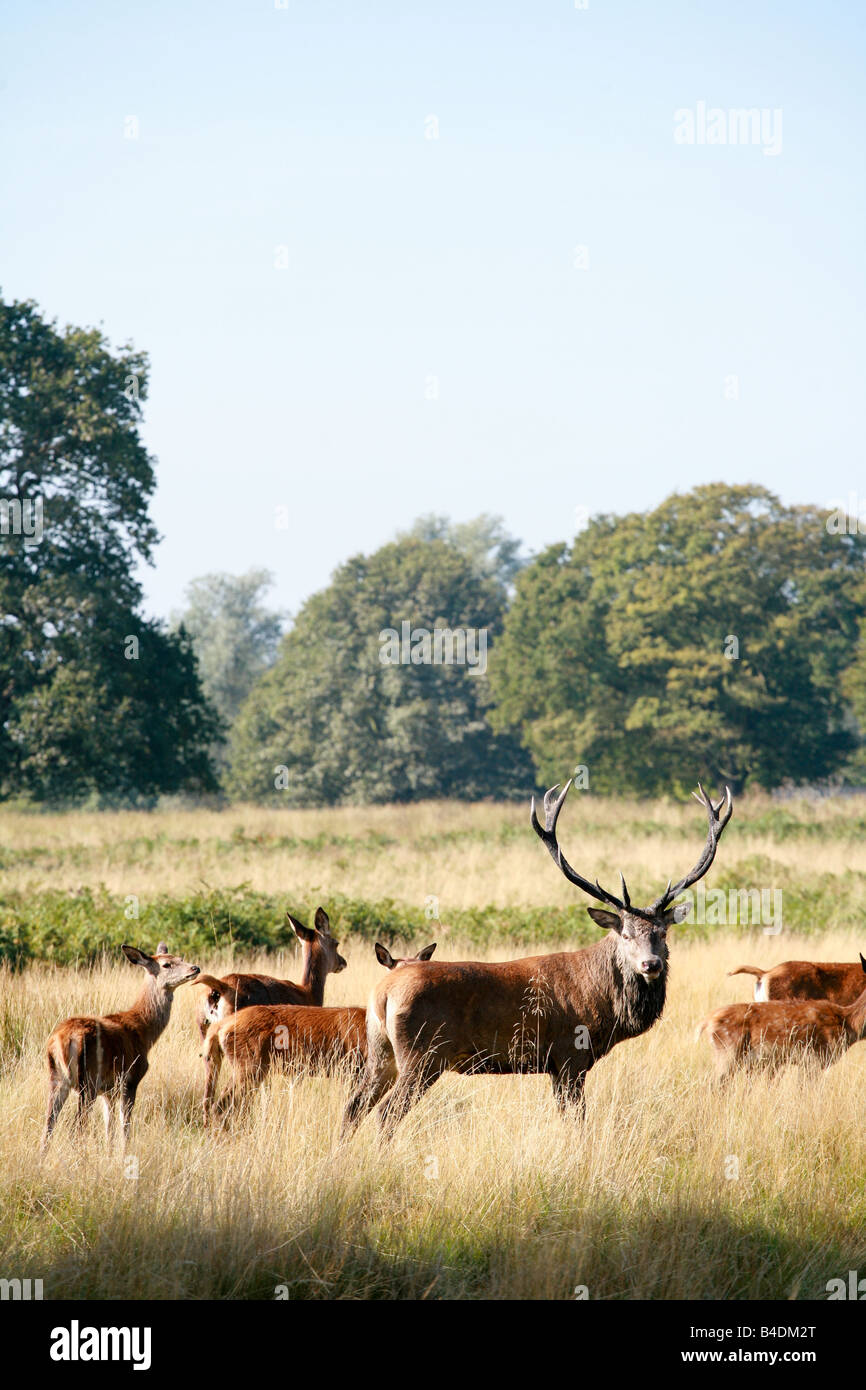
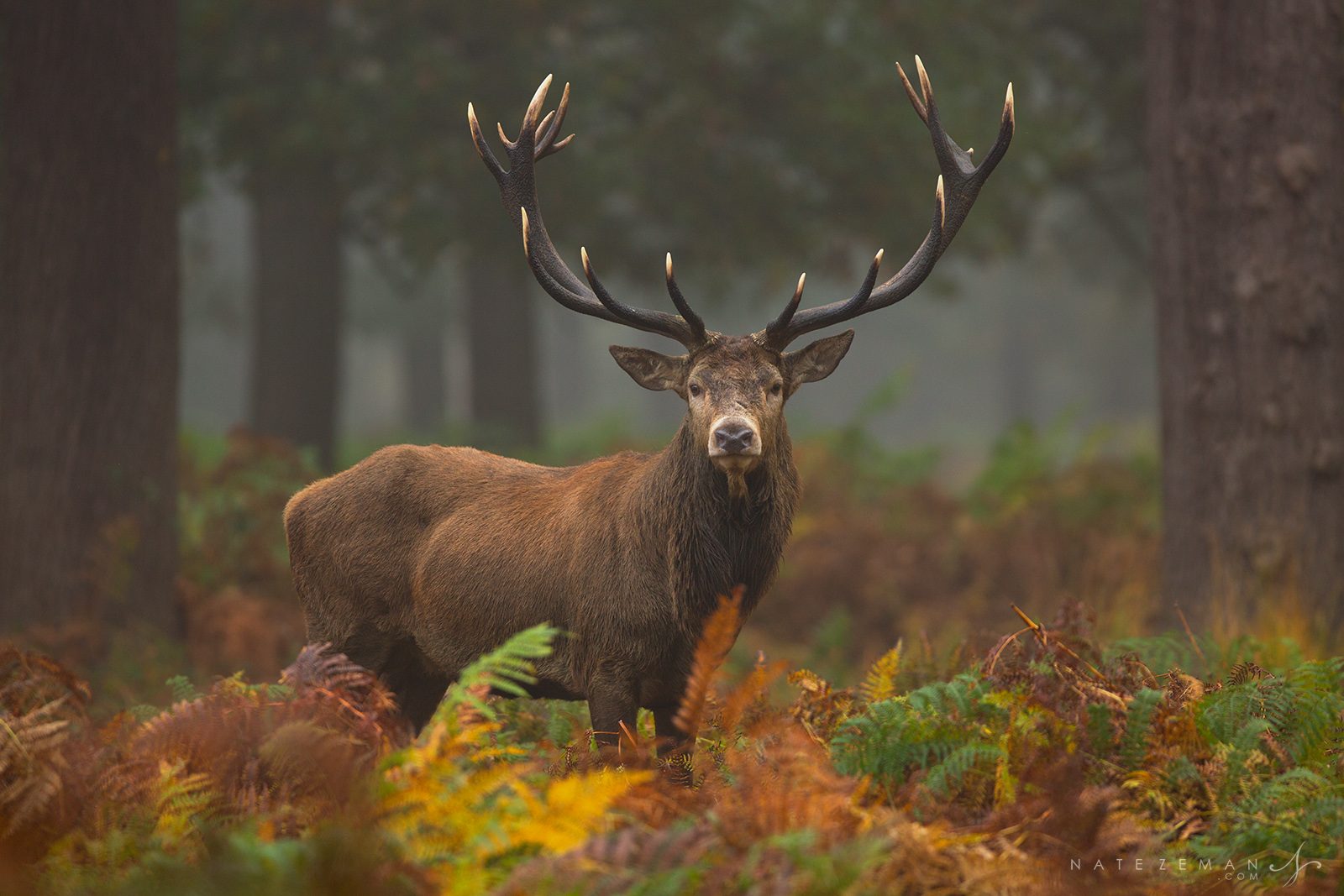
Bracken at first light, antlers against the oaks.
Compare fares, pick the fit — all bookings are mobile-voucher and eligible for free cancellation where shown.
1 hr
3 hr
3 hr
| Experience | Duration | Rating | Skip-the-line | Guide | Small group | Free cancel. | Price | |
|---|---|---|---|---|---|---|---|---|
|
Standard Entry
Most popular
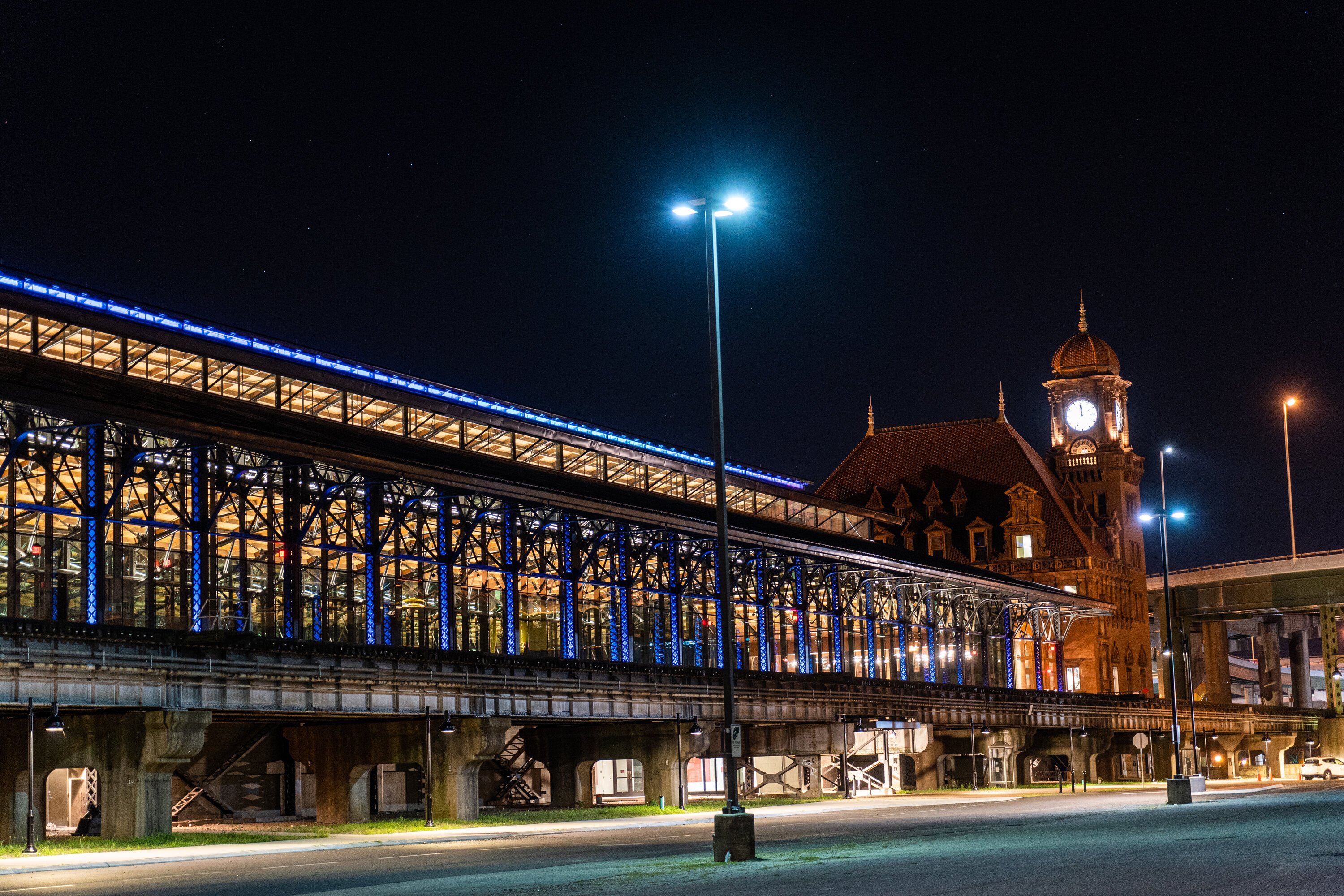
Richmond Ghost Tours: Sinister Secrets of Shockoe Bottom
|
1 hr | ★ 4.4 | — | ✓ | ✓ | ✓ | €24 | Book → |
|
Standard Entry
Richmond Arts District Walking Food Tour
|
3 hr | ★ 4.9 | — | ✓ | — | ✓ | €87 | Book → |
|
Guided Experience
Church Hill Food & History Walking Tour, Richmond
|
3 hr | ★ 4.5 | ✓ | ✓ | ✓ | ✓ | €78 | Book → |
Hand-picked experiences loved by thousands of travelers
2.5 hours
Free Cancellation
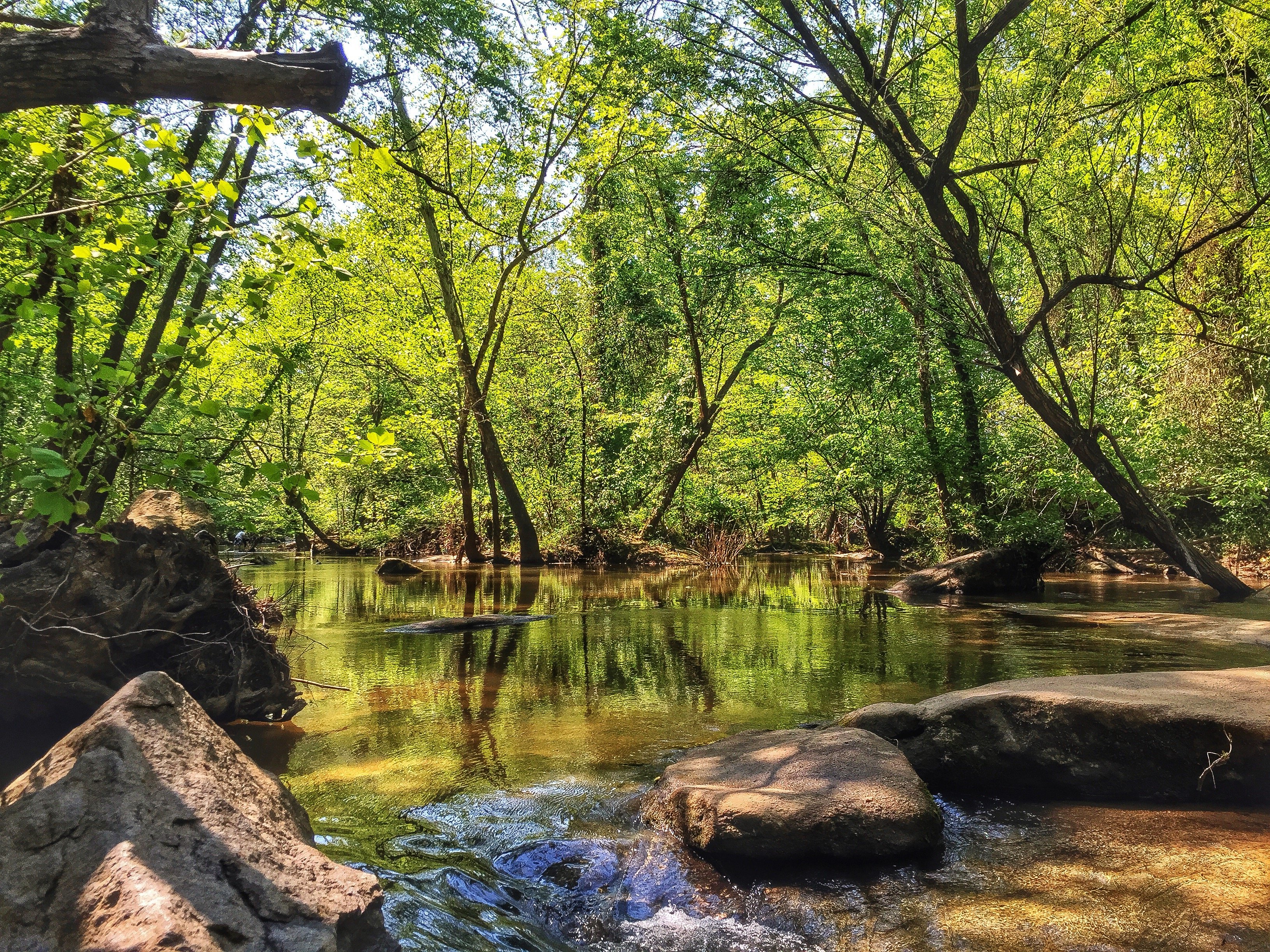
A 4.5-mile guided hike through downtown Richmond's wild side—rapids, ruins, and river islands.
3 hours
Free Cancellation
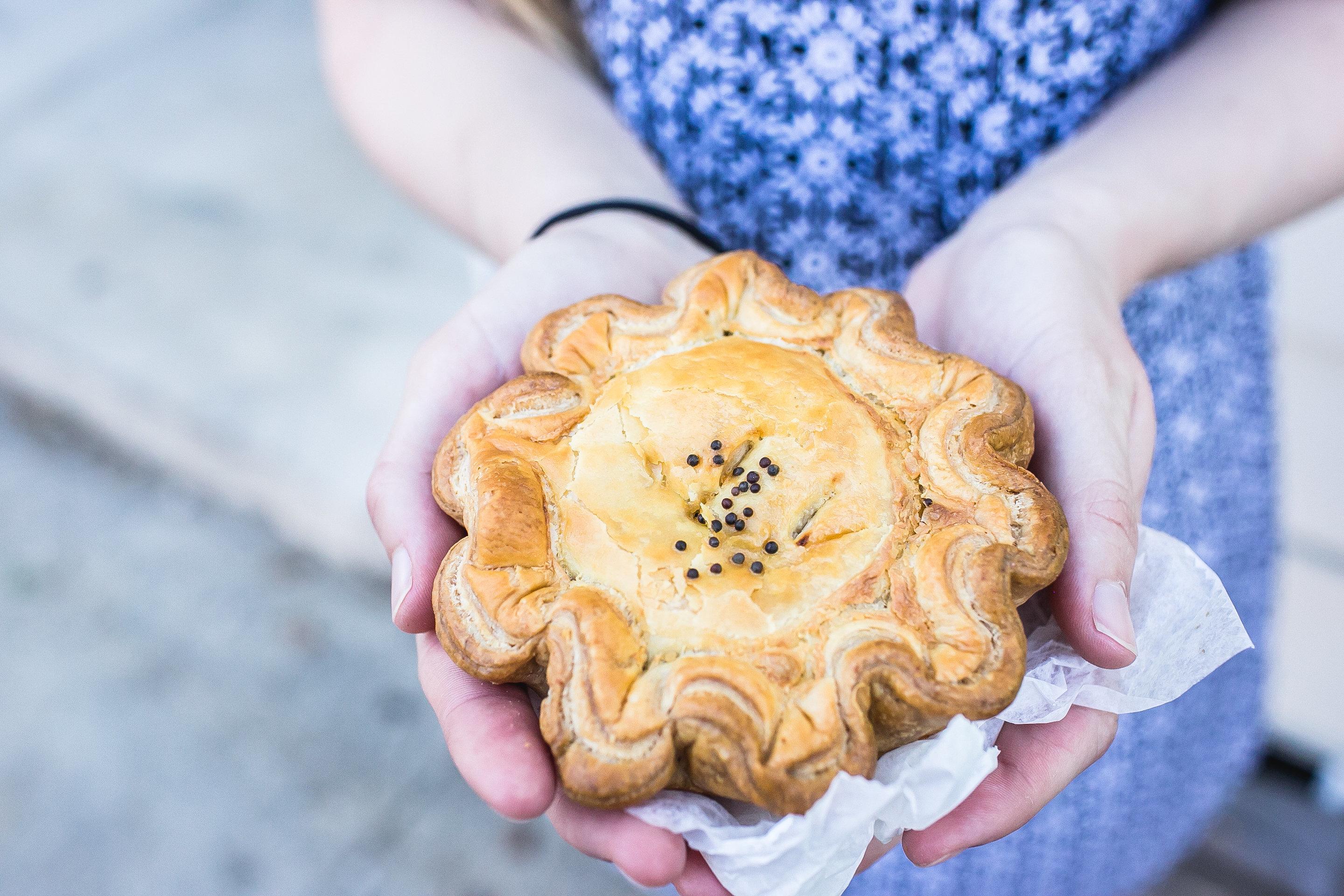
Walk historic Shockoe Bottom and taste Richmond's evolving Southern food scene, bite by bite.
2.5 hours
Free Cancellation
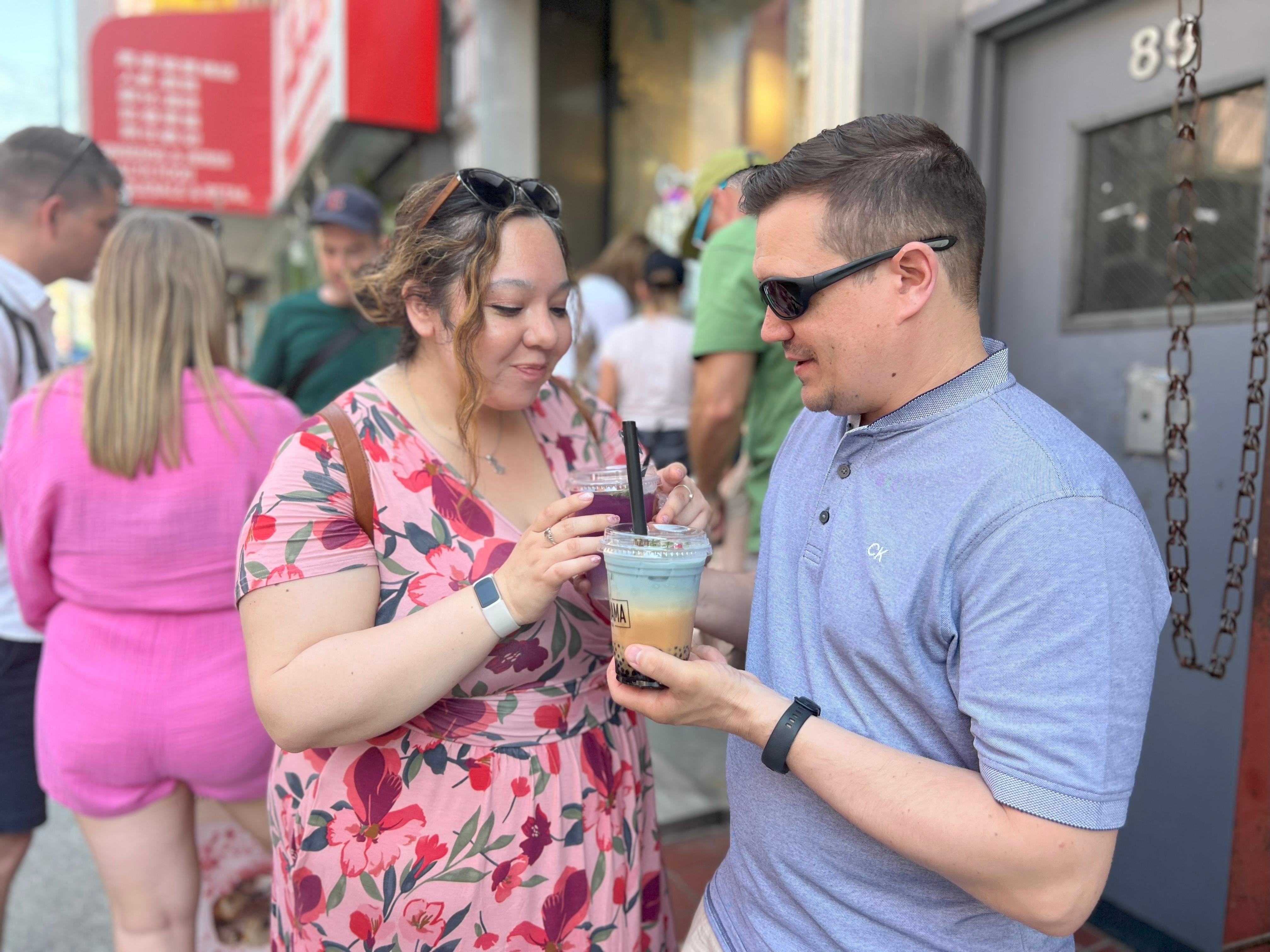
Walk Richmond's coolest food district with a local guide, tasting your way through breweries, bars, and hidden gems.
2 hours
Free Cancellation
A spooky 2-hour walk through Richmond's most haunted bars, with local ghost tales and craft drinks along the way.
2.5 hours
Free Cancellation
Savor 5-6 tastings across Richmond's stylish Carytown district on a guided food and culture walk.
2 hours
Free Cancellation
Step into Monet's world through giant projections, VR art, and a recreated Giverny garden.
2 hours
Free Cancellation
Take the wheel of a Polaris Slingshot and cruise Richmond's scenic streets for 2 open-air hours.
1.5 hours
Free Cancellation
A quirky, high-energy bus ride through Richmond's oddest, funniest, most surprising history.
Arrive early in the 07:00–10:00 window for quieter paths and active deer before vehicle traffic builds
Follow the Tamsin Trail toward the two ponds where deer often graze near the water's edge
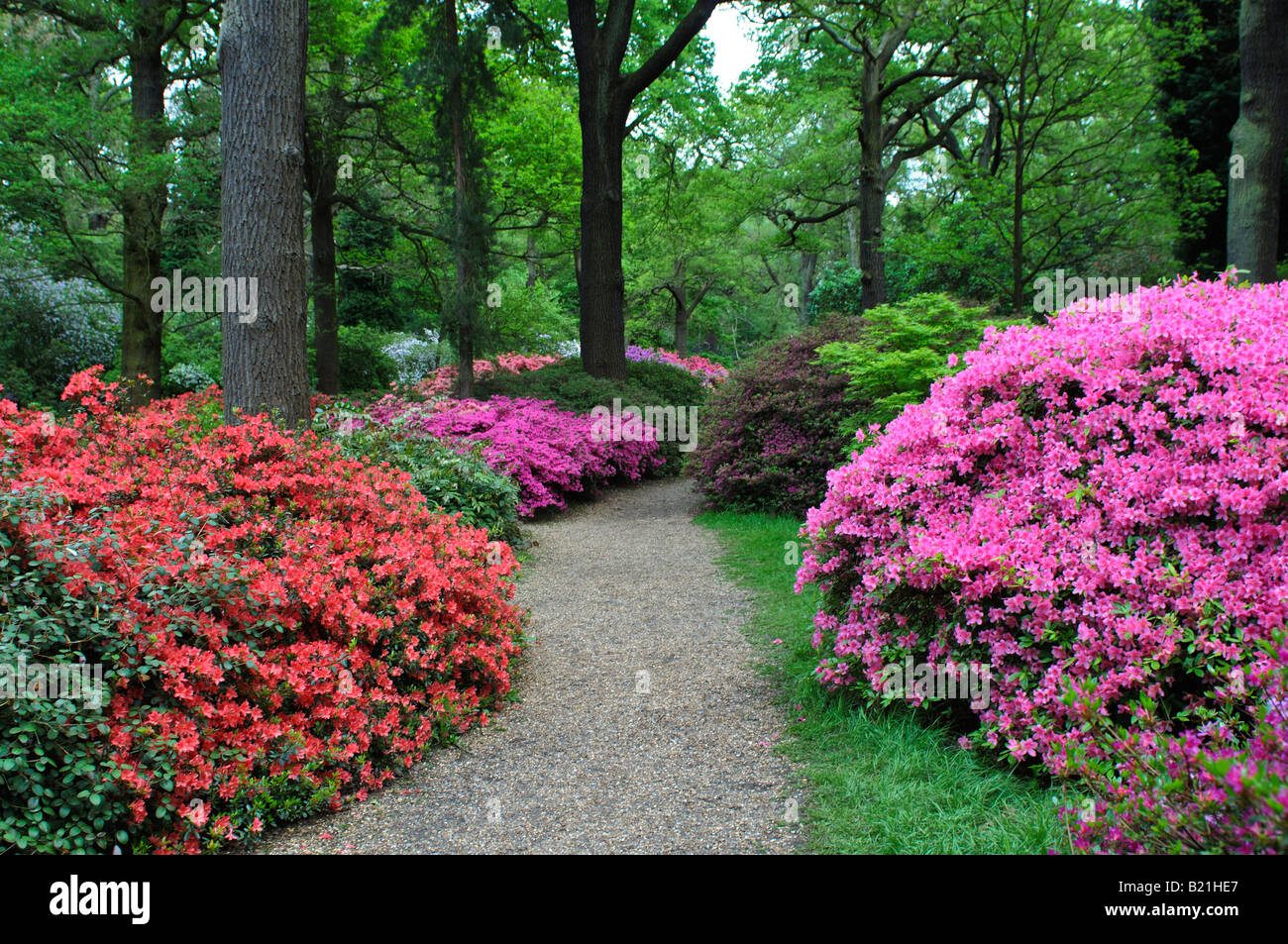
Explore the 40-acre woodland garden's streams and azalea collection on its enclosed, deer-free paths
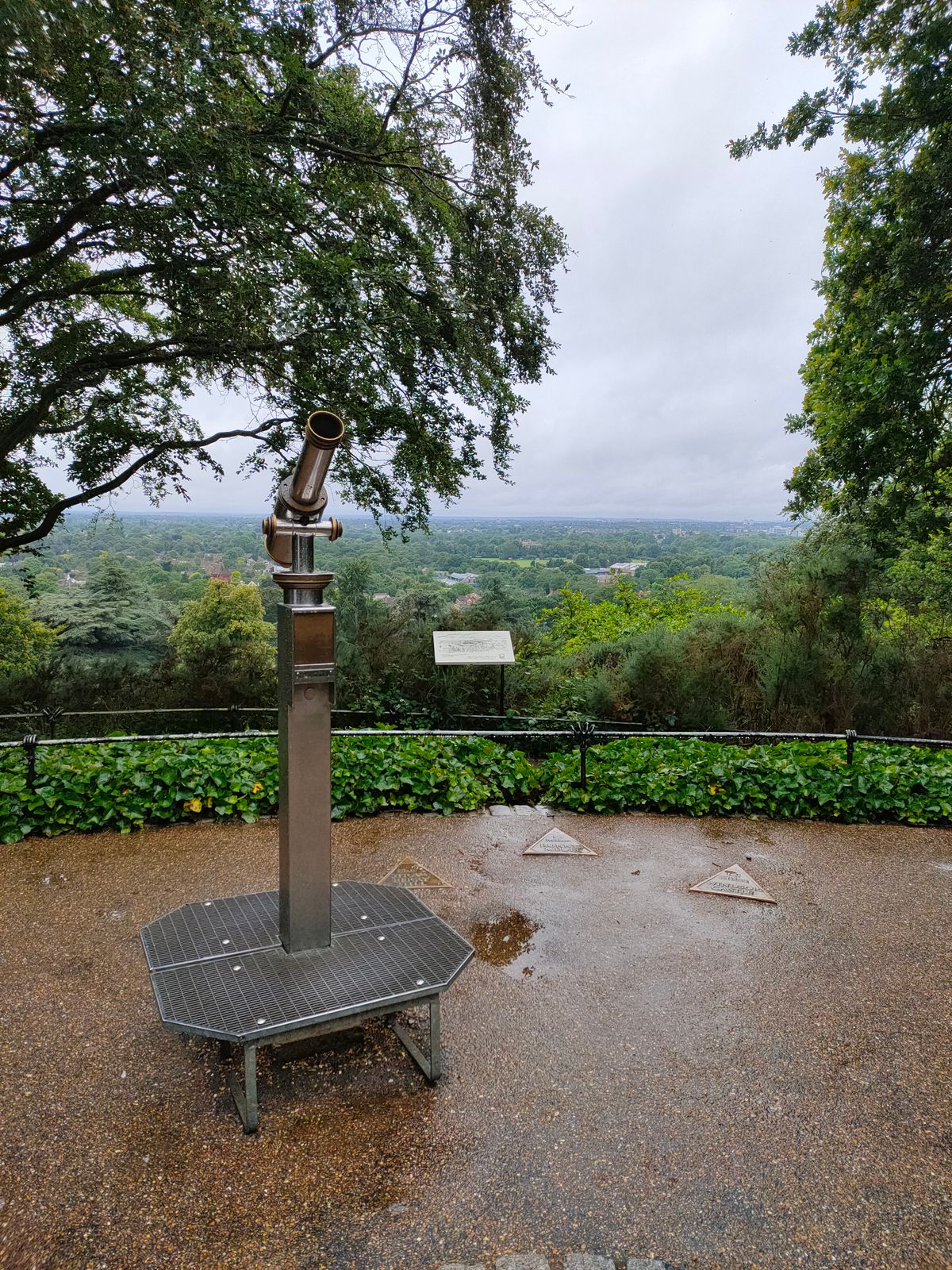
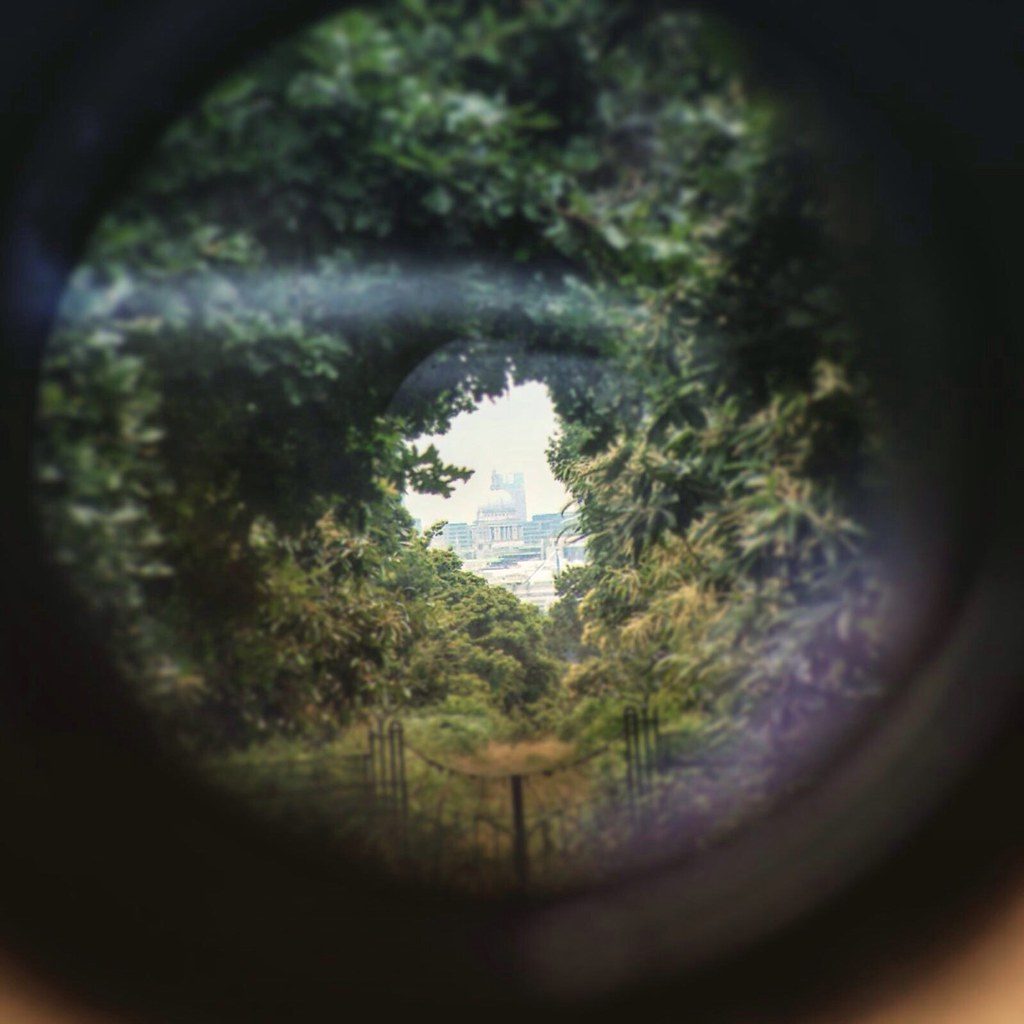
Look through the public telescope at the protected sightline to St Paul's Cathedral
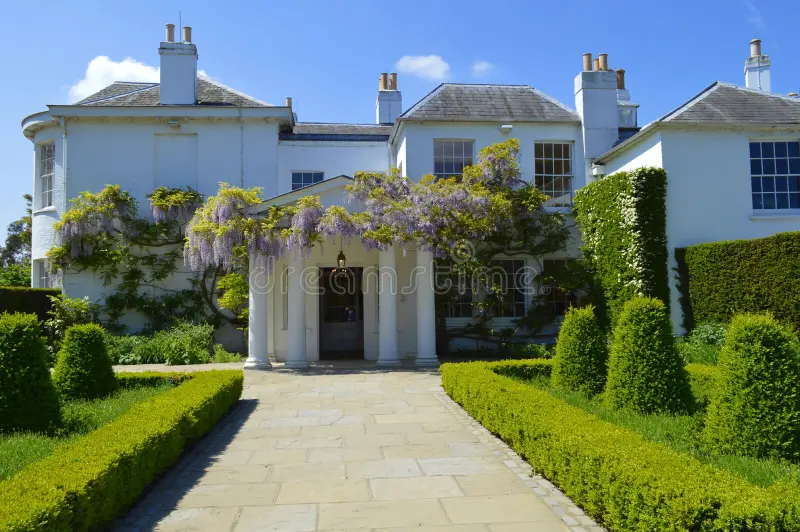
Stop at the Georgian mansion's tea rooms and gardens overlooking the Thames Valley
Complete the loop and depart through the north or east perimeter
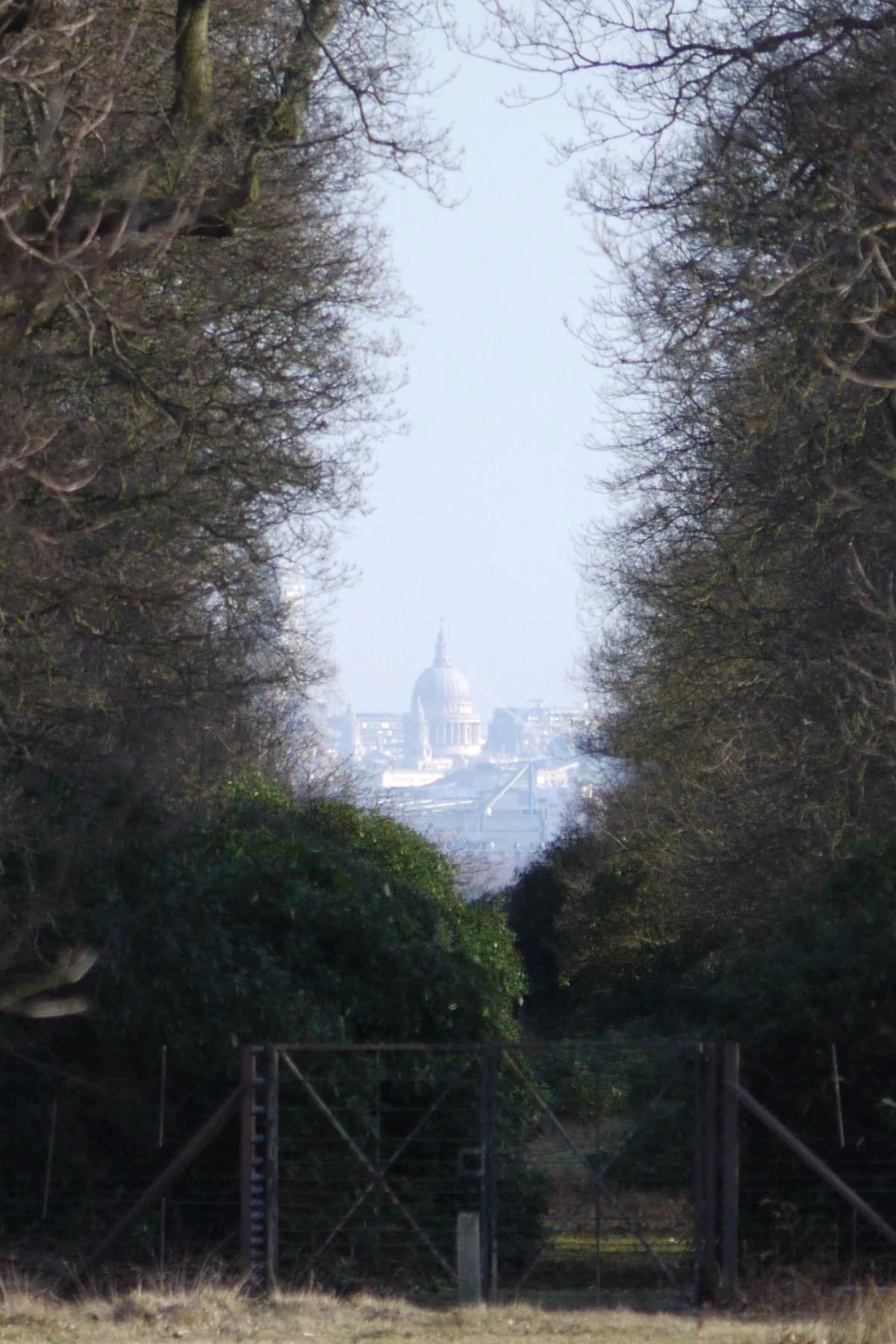
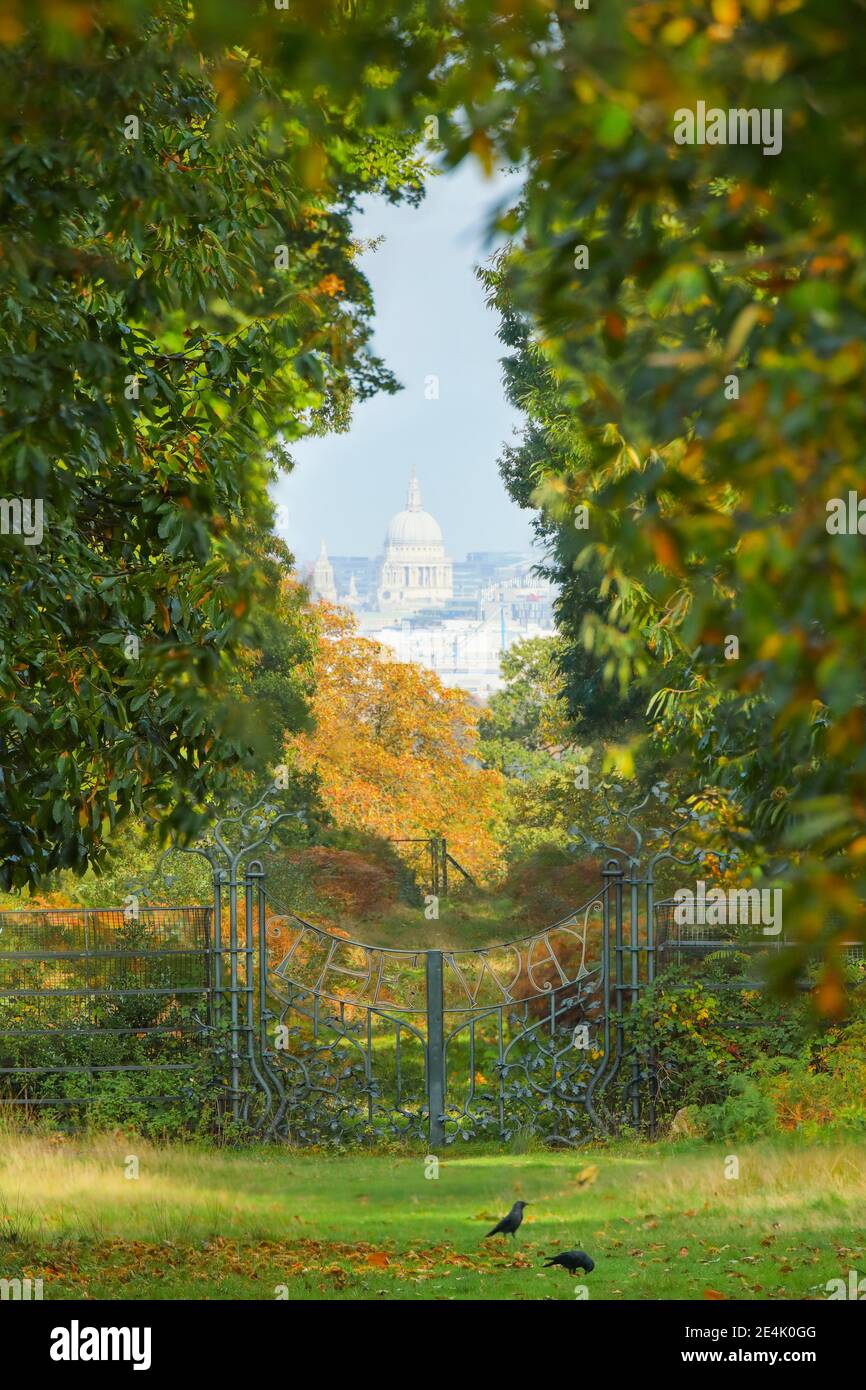
A Bronze Age burial mound within Pembroke Lodge Gardens that holds a legally protected 10-mile sightline to St Paul's Cathedral, viewable through a public telescope framed by a bored gap in the treeline. Concave oak branches along the avenue are said to echo the shape of the cathedral's dome.
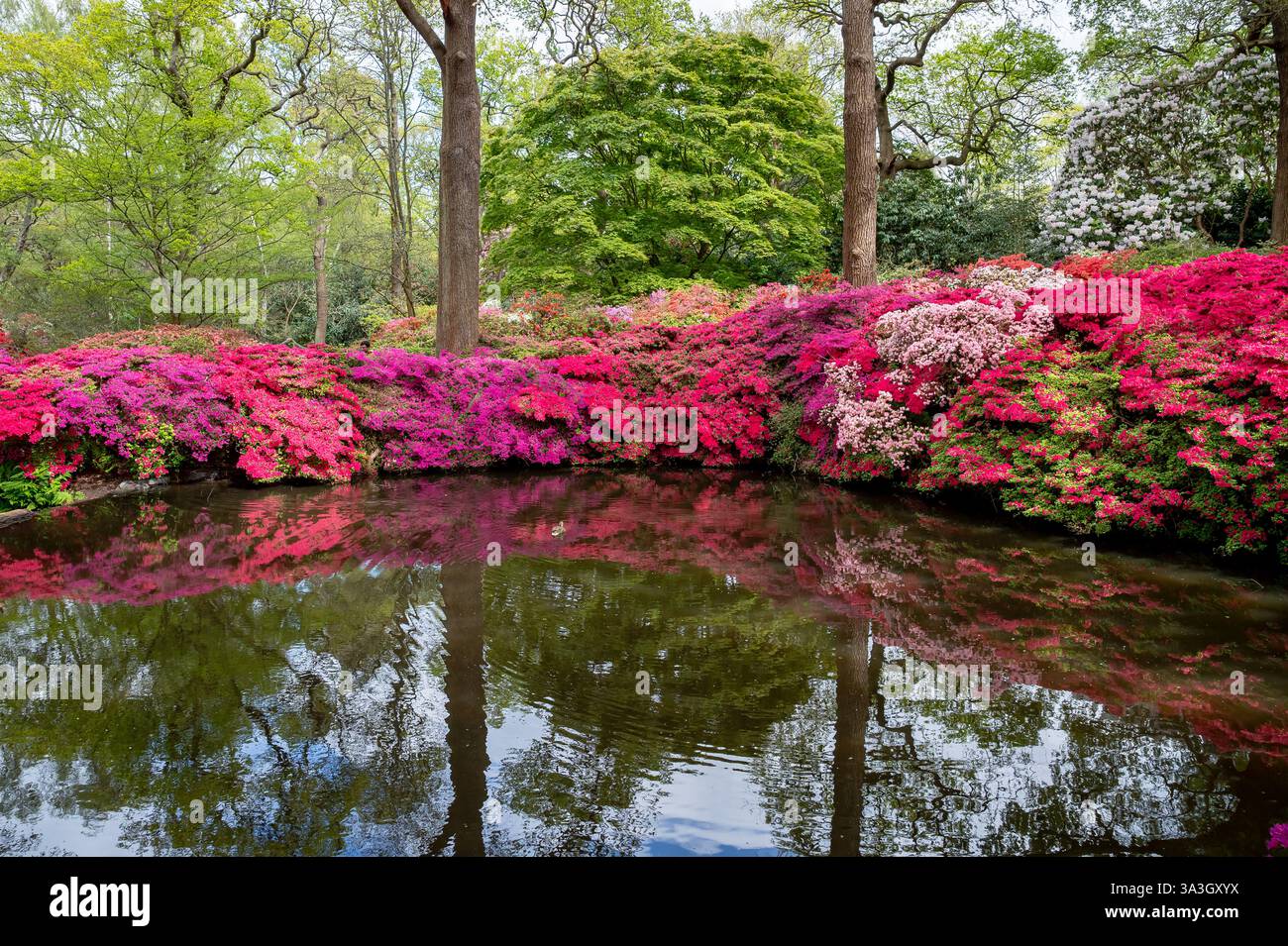
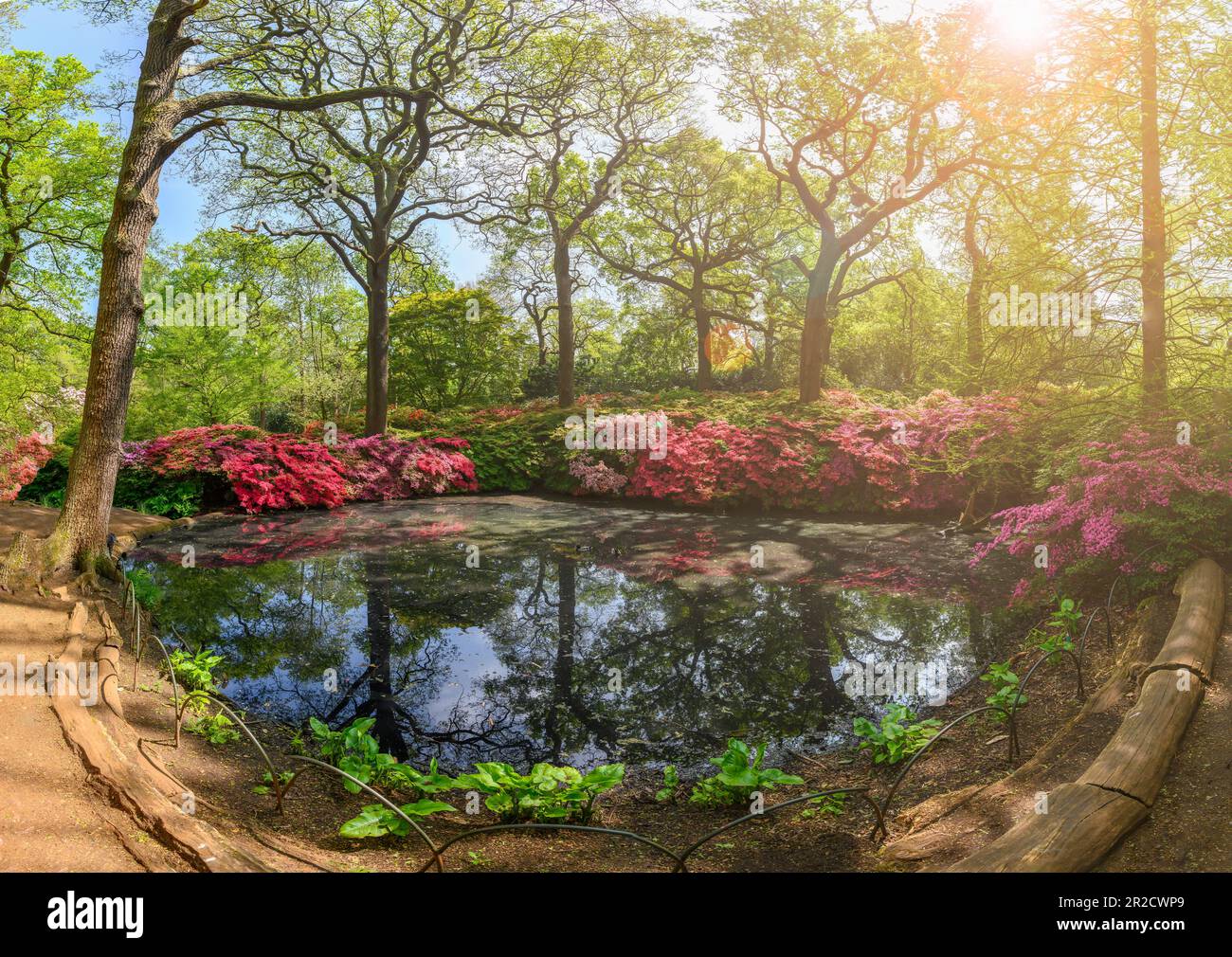
A 40-acre Victorian woodland garden planted in the 1830s and fenced off from the park's roaming deer, home to the National Collection of Wilson 50 Kurume Azaleas alongside camellias and rhododendrons. Streams and ponds cross the enclosure via wooden bridges and stepping stones.
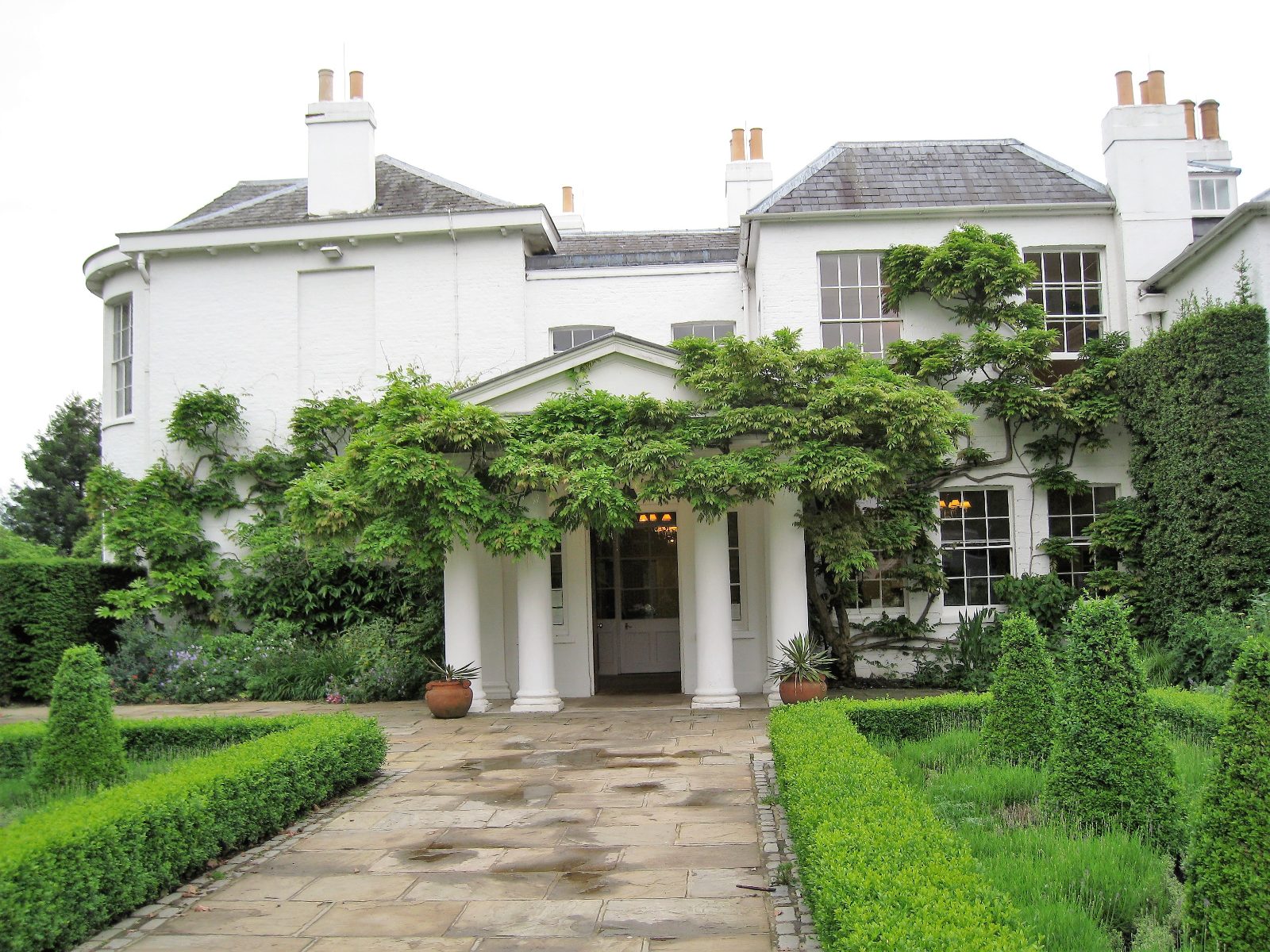
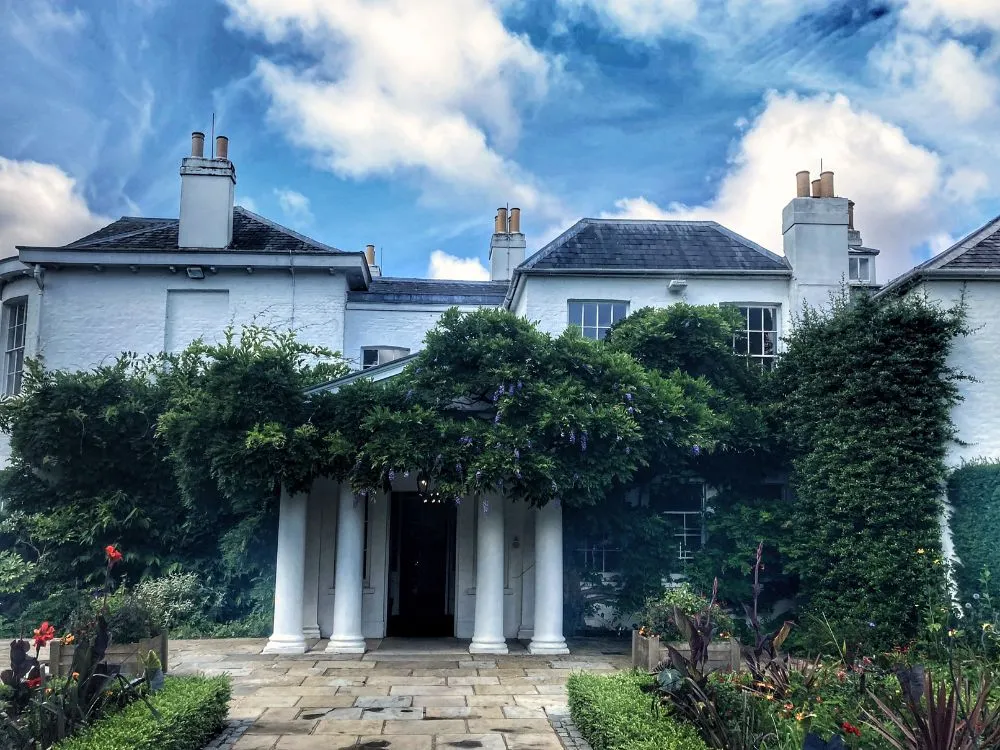
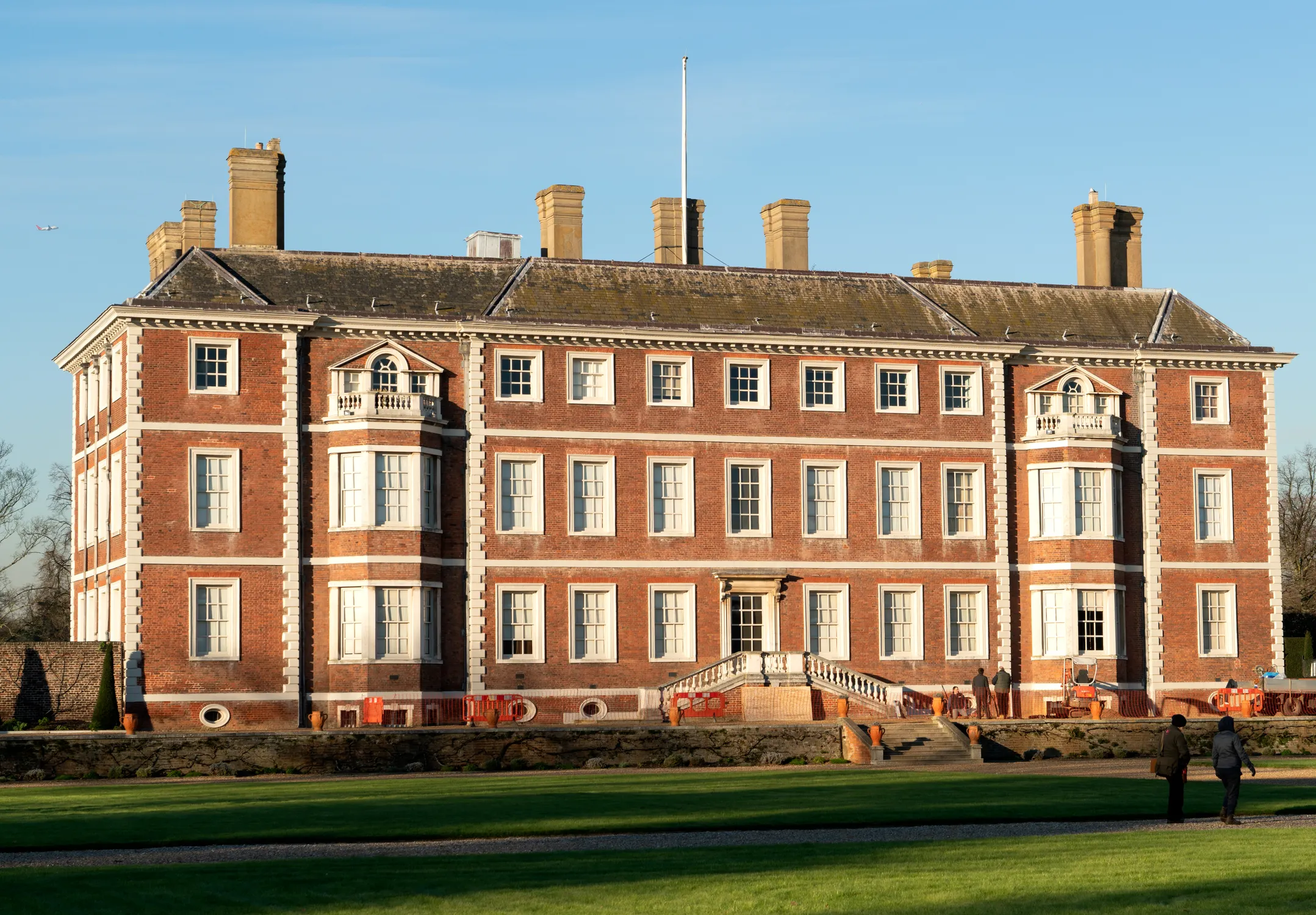
A Grade II listed Georgian mansion built from a 1754 mole-catcher's cottage, sitting on 11 acres of landscaped grounds at the park's highest point with tea rooms and Thames Valley views. It later housed Prime Minister Lord John Russell and his family in the 19th century.
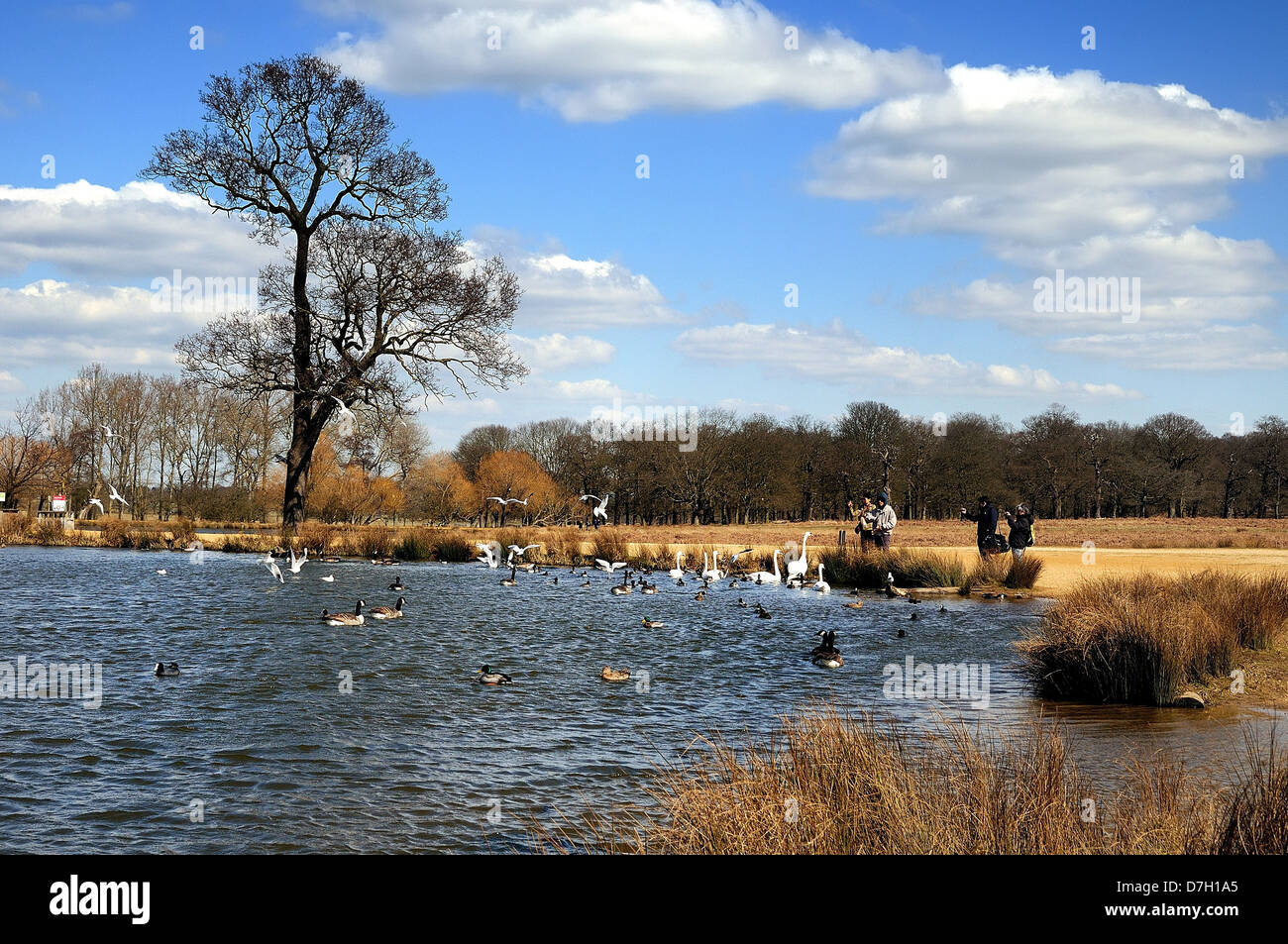
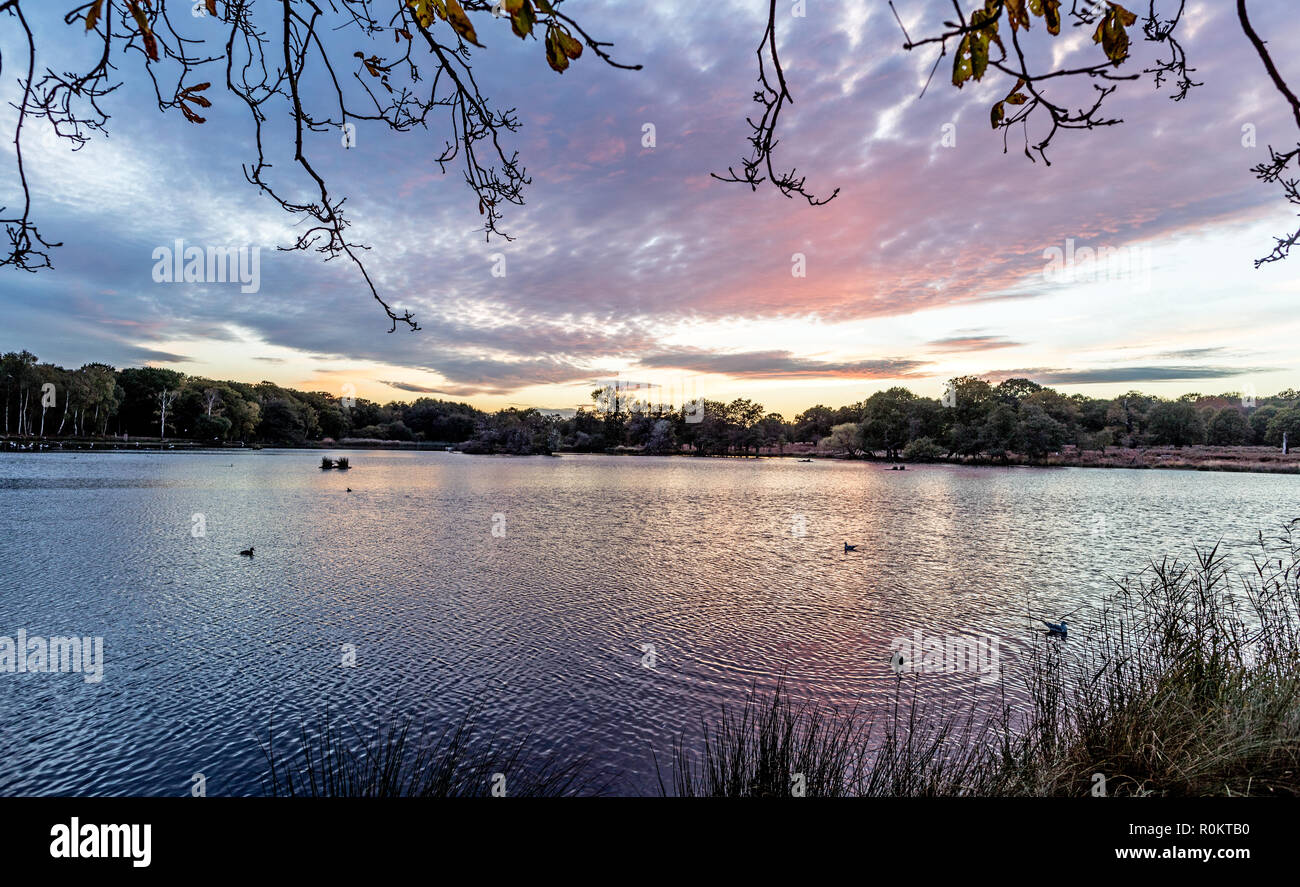
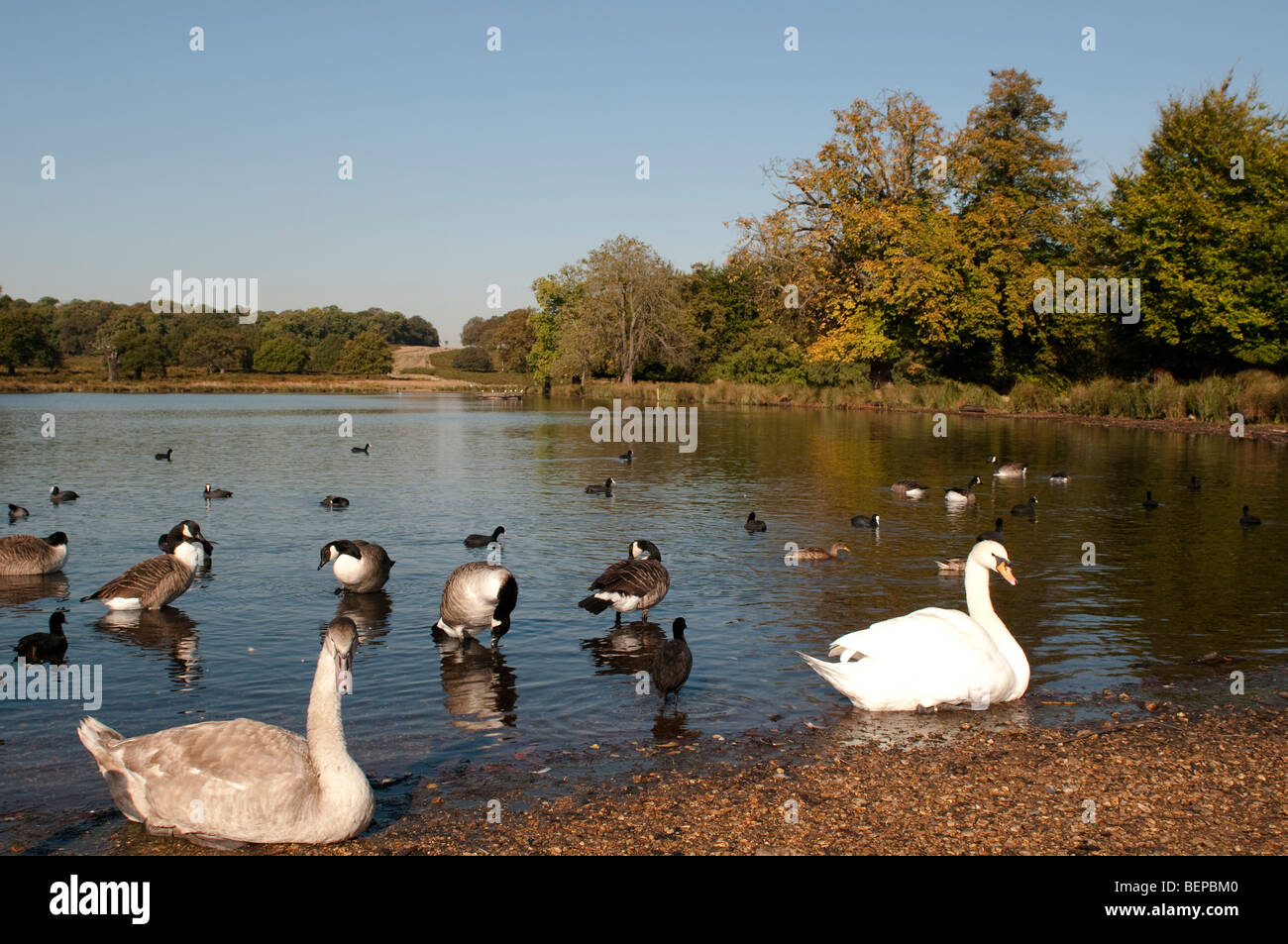
A pair of 18th-century ponds dug in 1746 from drainage ditches, originally stocked to raise carp and now a reliable spot for both deer and waterfowl sightings. The ponds sit near the geographic center of the park's 2,500 acres.
Wild red and fallow deer introduced by Charles I in 1637 continue to roam freely across the park's grasslands, with antlers capable of growing up to 2.5cm a day during spring regrowth. Visitors are asked to keep at least 50 metres away, especially during the autumn rut.
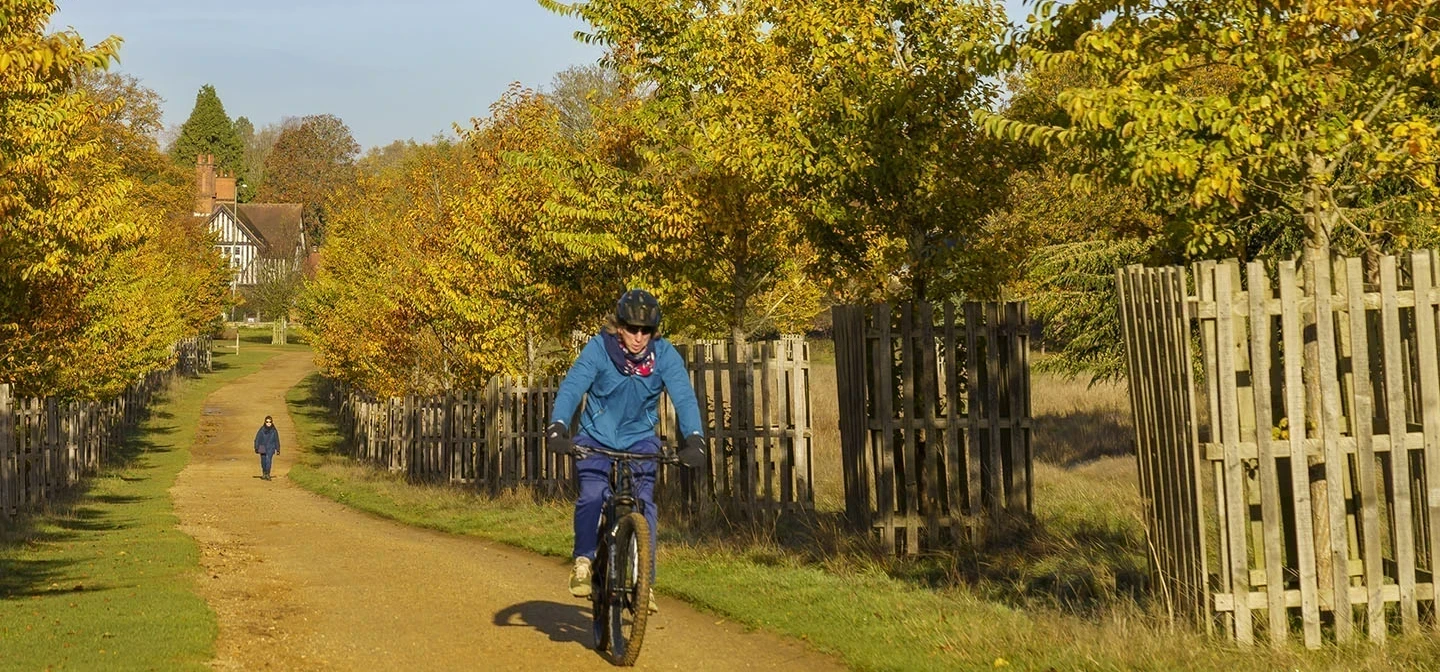
A roughly 7-mile all-abilities perimeter route circling the entire park, shared by walkers, joggers and cyclists and passing most of the park's main gates and landmarks. It's the only off-road path within the park where cycling is permitted outside the main roads.
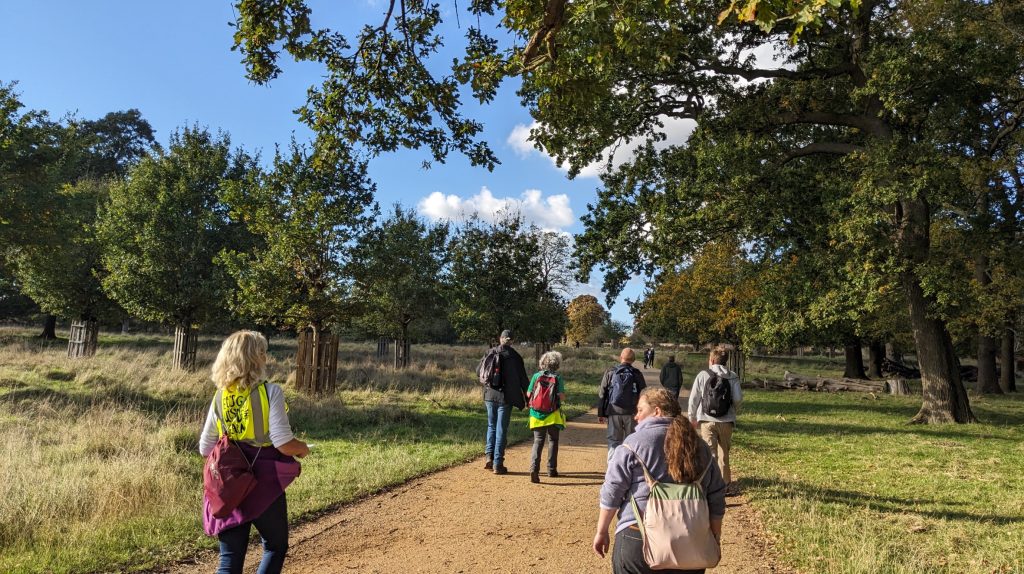
You come through a pedestrian gate between 07:00 and 10:00, when the light is low and the deer are still moving before vehicle traffic builds. Mist sits in the hollows. You hear the herd before you see it — a shifting in the bracken thirty metres off the path.
You keep your distance and walk west along the ridge, past Pembroke Lodge, until the ground rises at King Henry's Mound. You stand at the telescope and find the dome of St Paul's, small and grey, ten miles east through the cut in the trees. From here the whole plateau falls away toward the Thames.
You drop down to Pen Ponds and follow the water south. Cormorants sit on the posts. The path softens underfoot. By mid-morning you reach the Isabella Plantation, where the streams are hand-fed and the azalea beds run either side of a gravel track, and you slow down without meaning to. Richmond Park Tickets cost nothing — entry is free at 0 GBP, and the gates never close to walkers — so nothing hurries you toward an exit.
You loop back across open grassland, watching for skylarks over the acid turf. A Richmond Park Tickets tour guide passing the other way points out a hollow oak and names the beetle inside it. You finish where you started, boots wet, having crossed a reserve that runs 24 hours a day and asks nothing at the gate.
All the details about your upcoming adventure in one place
Richmond Park Tickets open up 2,500 acres of National Nature Reserve, where roughly 600 red and fallow deer have roamed freely since Charles I enclosed the land in 1637. Guided Richmond Park Tickets tours trace the ancient oaks, Pen Ponds and the protected sightline from King Henry's Mound to St Paul's Cathedral, with the Isabella Plantation's azaleas and rhododendrons a highlight of any walk. Entry to the park itself is free, so tickets cover guided walks, cycle hire and Richmond London landmarks itineraries rather than admission.
Charles I walled 2,500 acres of Surrey heath in 1637 to hunt red and fallow deer, and the descendants of those herds still graze the grass today.
Roughly 600 animals remain, unfenced and free-ranging, making this the largest enclosed park in London and one of the few places in Europe where wild deer move through a capital city.
The boundary wall, eight miles of it, was deeply unpopular with local commoners. Their right of way was eventually restored by the courts, and that legal victory shaped what the park became: not a private estate but common ground held in trust. Richmond Park Tickets require no purchase at all — the site is a National Nature Reserve, a Site of Special Scientific Interest, and a Special Area of Conservation, and entry costs 0 GBP. Pedestrian gates open 24 hours, seven days a week.
What gives the landscape its scientific weight is age rather than design. More than 1,300 veteran oaks stand across the plateau, some pre-dating the enclosure by centuries, their hollowed trunks hosting stag beetle larvae and rare saproxylic invertebrates found almost nowhere else in Britain. The acid grassland and bracken sit on gravel terraces laid down by the Thames. Pen Ponds, dug in the eighteenth century for fish, now draw herons, cormorants and grebes. The Isabella Plantation, a 40-acre woodland garden enclosed in 1831 and planted from the 1950s onward, holds a national collection of Kurume azaleas and stays organically managed.
Architecture here is deliberately sparse. Pembroke Lodge, a Georgian house on the western ridge, was the childhood home of Bertrand Russell. Behind it, King Henry's Mound offers a protected sightline to St Paul's Cathedral ten miles east — a view legally shielded from development since 1710 and still framed through a gap cut in the trees. White Lodge, a Palladian hunting box completed in 1730, now houses the Royal Ballet School. Richmond Park guided tours tend to trace these three points, connecting the Stuart hunting ground to the Victorian planting and the modern conservation regime.
The park matters today for reasons its founder never intended. It functions as a carbon sink, a flood buffer and a refuge for species squeezed out of the surrounding boroughs, while absorbing several million visits a year without ticketed gates or turnstiles. Deer management, grassland cutting and veteran-tree surgery run on cycles measured in decades. Visitors who arrive expecting a municipal green space find instead a working nature reserve where the rutting season closes footpaths and the herd, not the public, sets the terms. Richmond Park Tickets tours exist for interpretation rather than access — the land itself has been open, by hard-won right, for close to four hundred years.

The herd, not the public, sets the terms.
There is no formal dress code for Richmond Park, but sturdy, weatherproof footwear is worth packing since the Tamsin Trail and woodland paths around Isabella Plantation get muddy after rain. Layers help given the open grassland is exposed to wind, while cyclists on Broomfield Hill and Sawyer's Hill should wear high-visibility gear near vehicle traffic.
There are no bag checks or security screening at any of the pedestrian or vehicle gates into Richmond Park, reflecting its status as an open public green space rather than a ticketed venue. Visitors should still keep valuables secure in busy car parks such as Roehampton Gate and Pembroke Lodge, where vehicle break-ins have occasionally been reported.
Photography is permitted throughout the park, including at the King Henry's Mound telescope sightline toward St Paul's Cathedral, but tripods and drones require prior permission from The Royal Parks for anything beyond personal, non-commercial use. Deer must not be approached for a shot; stay at least 50 metres away, particularly during the autumn rut when stags are unpredictable.
Children should be kept away from the free-roaming deer herd, especially bucks and stags during the September–November rut. Isabella Plantation's enclosed, deer-free paths make it a calmer stretch for younger children than the open grassland areas.
Richmond Park's main car parks, including Broomfield Hill, have Blue Badge bays with step-free routes to nearby gates, though some, such as Petersham Gate, involve loose chippings that may need assistance. A motorised wheelchair can be borrowed for use within Isabella Plantation on weekdays between 9am and 3pm by booking at least five days ahead.
Visitors may bring their own food and drink and picnic anywhere on the open grassland, but barbecues and open fires are not permitted anywhere in the park. Glass bottles are discouraged near Pen Ponds and playing fields due to litter and wildlife hazard concerns from park rangers.
Pedestrian gates open all night
Quietest weekday morning
Vehicle gates open latest, 07:00
Busiest day, arrive before 09:00
Family groups peak midday
Opening hours
Pedestrian gates open 24 hours daily, every day of the week;location
Opening hours
00:00 – 23:59
Getting there
City-center access via metro and bus
Accessibility
Most experiences are wheelchair-friendly — check individual tours
What to bring
Comfortable shoes, water, phone for mobile voucher
Public transport · 30-45 min from central London · Standard London rail/bus fare
Take a train to Richmond or North Sheen station to the north of the park, or Norbiton station to the south, then walk or catch a local bus toward Petersham or Richmond Gate.
Car · 20-40 min from central/west London · Free parking, donations welcomed
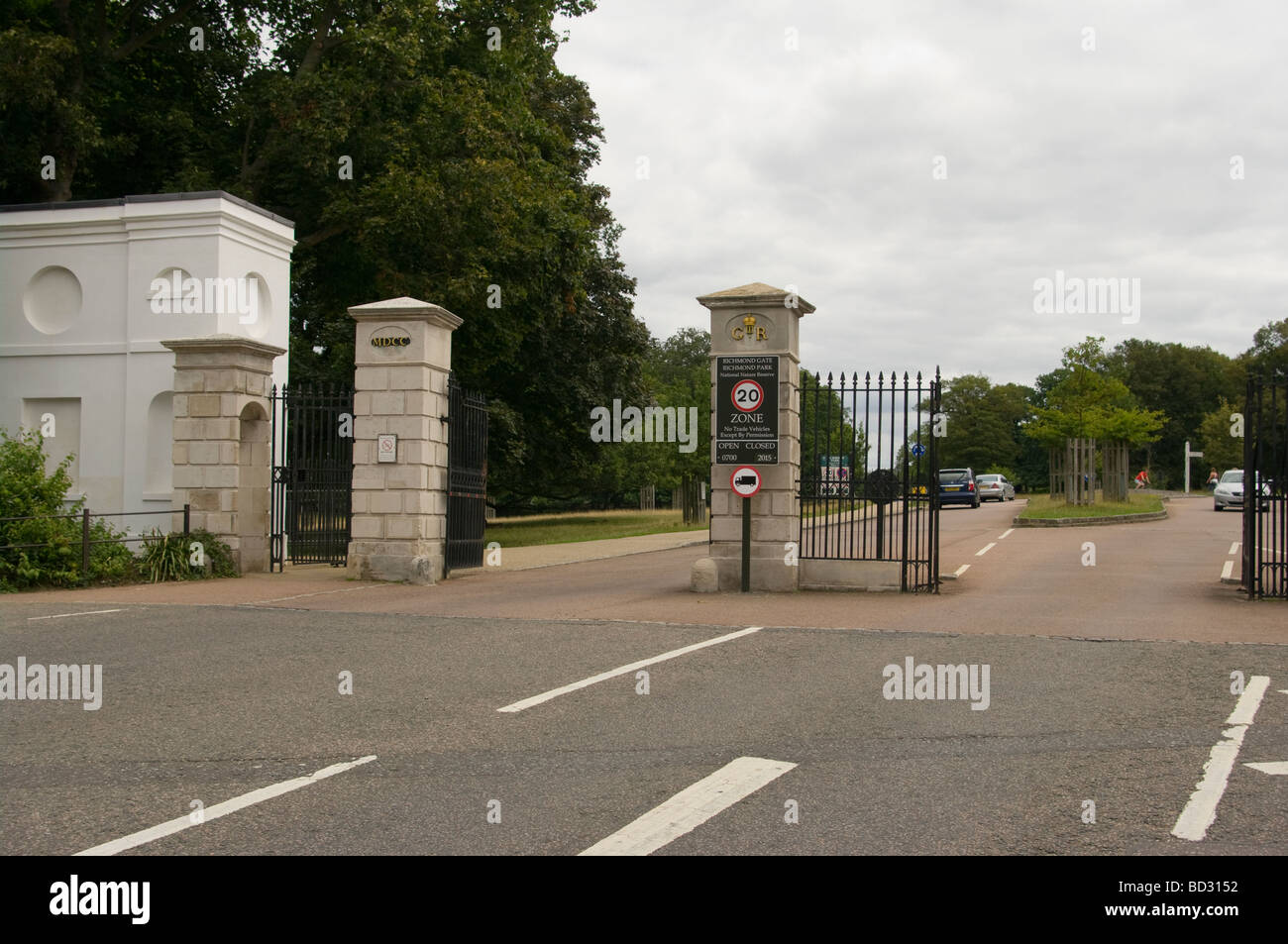
Vehicle gates open at 07:00 in summer and 07:30 in winter and close at dusk; free car parks are located at Broomfield Hill, Pembroke Lodge, Roehampton and Kingston Gate.
Bike · 20-30 min from Richmond town centre · Free, bring own bike or hire locally
Cycling is permitted on larger roads such as Queen's Road and Sawyer's Hill and along the Tamsin Trail, a roughly 7-mile route around the park's perimeter.
Walk · 15-20 min from Richmond station · Free
Richmond town centre is roughly a 15-20 minute walk to the nearest pedestrian gates on the park's northern edge.
There is no entrance charge to cancel, since Richmond Park has 0 GBP admission and pedestrian gates open 24 hours a day. Any paid extras booked separately, such as guided walks or the Isabella Plantation motorised wheelchair loan, follow the individual operator's own refund terms rather than a park-wide policy.
Recommended time
2-3 hours, up to a full day
A short visit of 1-2 hours suits a focused loop through Isabella Plantation, enough time to see the gardens without rushing. Half a day (4-5 hours) covers Pen Ponds plus a decent stretch of the Tamsin Trail, giving room for wildlife watching and a café stop. Reserve a full day for the complete Tamsin Trail wall walk, since the full 7.3-mile loop typically takes around 3 to 3.5 hours on foot alone, before adding photo stops or picnics. Richmond Park Tickets aren't required since entry is free, but weekday mornings run far lighter than weekend afternoons, when car parks and main paths fill quickly.
Crowd levels through the day
Weather · crowds · average price — dots go green to amber to red as each metric rises.
Late April to May brings the Isabella Plantation azalea and rhododendron bloom, drawing steady footfall on weekends but leaving weekday mornings quiet. Temperatures typically sit between 10-16°C, ideal for long walks without midsummer heat.
June to August sees the longest daylight and busiest weekends, especially around Pen Ponds and the playing fields near Roehampton Gate. Early mornings before 09:00 remain the best way to avoid the heaviest crowds and heat.
September to November is rutting season, when red stags and fallow bucks compete loudly for mates, making this a popular but sensitive period to keep well back from the herd. Crisp air and turning foliage in Isabella Plantation also draw photographers through October.
December to February is the quietest season, with pedestrian gates closing overnight during the six-week deer cull periods in late autumn and again in February. Cold, often frosty mornings offer sharp visibility for distant views from King Henry's Mound.
Come during the 07:00–10:00 window when deer are most active and vehicle traffic hasn't yet built up around the car parks.
Stay at least 50 metres from the herd at all times, and give stags extra space during the autumn rut from September to November.
Pedestrian gates close overnight between 20:00 and 07:30 for six weeks in Nov–Dec and again in Feb–Mar, so plan late visits outside those windows.
Broomfield Hill, Pembroke Lodge and Roehampton fill quickly on sunny weekends, so donation-based parking further from Pembroke Gate often has more space.
Car park machines invite a voluntary donation rather than charging a mandatory fee, since park entry itself remains free.
The open grassland offers little shelter from wind or sudden rain, so a waterproof layer is worth carrying even in summer.
Cycling off the marked Tamsin Trail or designated roads is not permitted, so stick to Queen's Road, Sawyer's Hill or the trail itself.
Richmond Park, Richmond TW10 5HX, UK
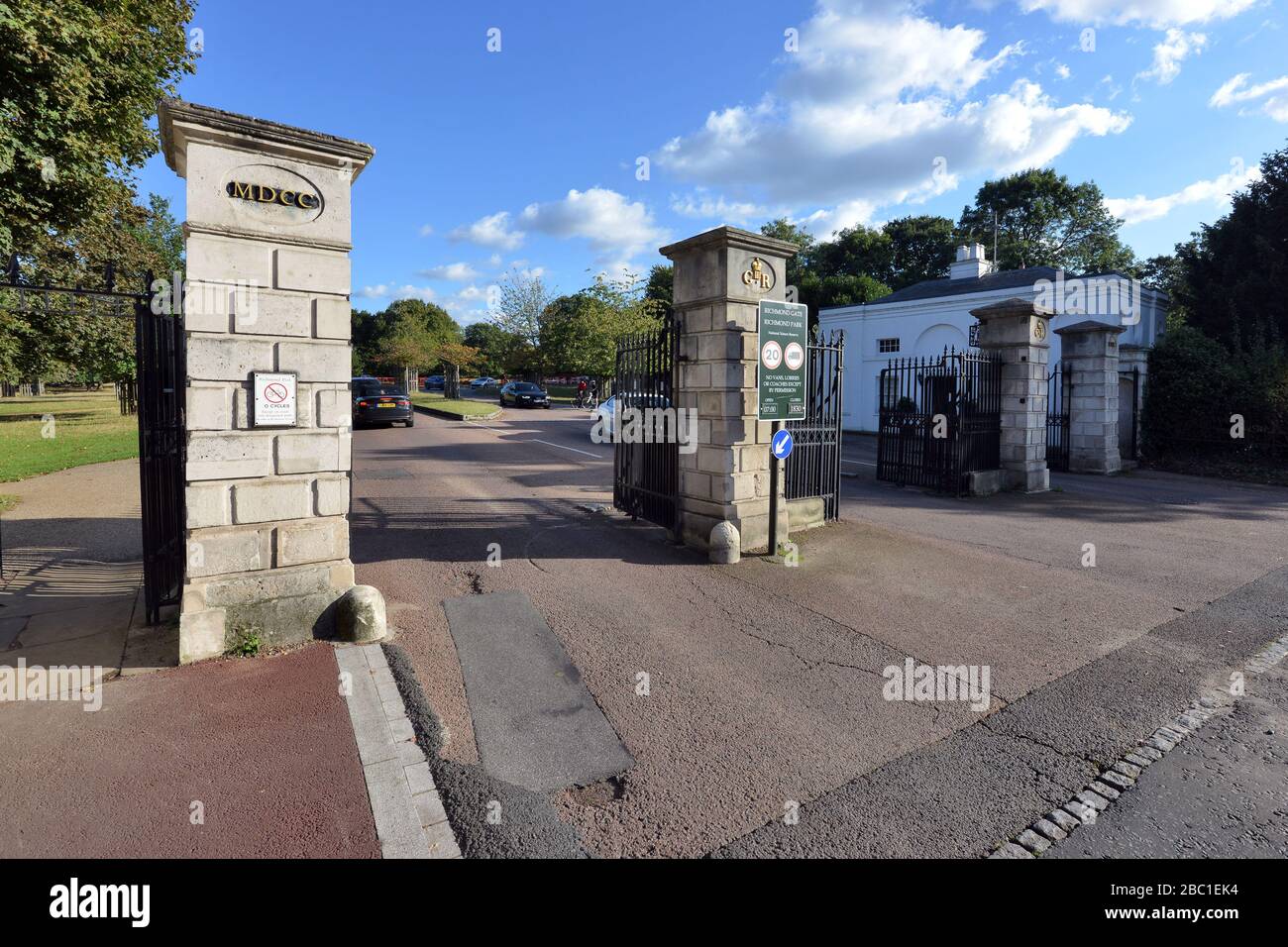
Main northern entrance near Richmond town, close to Richmond and North Sheen stations
Get directions
Richmond Park, Richmond upon Thames, TW10 5HX, UK
Central landmark building with tea rooms, a common rendezvous for guided walks
Get directionsPriory Lane, Richmond Park, London SW15 5JR, UK
Southwestern entrance with a large free car park and Colicci café
Get directionsIn 1637 Charles I enclosed some 2,500 acres of Surrey heath and farmland behind an eight-mile brick wall. The king had moved his court to Richmond Palace to escape plague in London. He stocked the ground with red and fallow deer for the chase. Local commoners objected bitterly; their pasture and firewood rights vanished behind masonry. Charles conceded pedestrian ladder-stiles over the wall, a compromise that would matter a century later. Those descendants of the original herds still graze the acid grassland, and they remain the reason most people search for Richmond Park Tickets before discovering that admission has never been charged. The Georgian era brought architecture. White Lodge, designed by Roger Morris, rose between 1727 and 1729 as a hunting retreat for George II; it later housed the Prince of Wales and, since 1955, the Royal Ballet School. Pembroke Lodge, expanded by Sir John Soane from a molecatcher's cottage, became the childhood home of Bertrand Russell after his grandfather Lord John Russell was granted it in 1847. The park's most consequential moment, however, was legal. In 1751 Princess Amelia, appointed Ranger, closed the gates to ordinary walkers. The Richmond brewer John Lewis sued. In 1758 the Court of King's Bench found for Lewis and ordered the ladder-stiles restored, establishing a public right of way that survives in every Richmond Park Tickets tour offered today. Victorian and modern administration entrenched that victory. The Crown transferred management to the Office of Works in 1872, and the Royal Parks has held it since. Isabella Plantation was planted from 1831 and opened as a woodland garden in 1953. Wartime brought antiaircraft batteries and a military camp; the Sheen Gate area held a convalescent hospital during the First World War. Conservation designations followed the damage. The site became a Site of Special Scientific Interest in 1992, largely for its 1,300-plus ancient oaks and their saproxylic beetles, and a National Nature Reserve in 2000. It is also a Special Area of Conservation for stag beetle habitat. What survives is unusually complete: Charles I's wall, the Georgian lodges, King Henry's Mound with its protected sightline to St Paul's Cathedral, and the deer themselves. Guided Richmond Park tours and self-led walks trace the same ground Lewis fought over. Free access, the Royal Parks confirm, remains permanent.
Charles I encloses the park behind an eight-mile brick wall and stocks it with red and fallow deer.
Roger Morris builds White Lodge as a hunting retreat for George II.
Princess Amelia, appointed Ranger, bars public access and removes the ladder-stiles.
Brewer John Lewis wins his Court of King's Bench case, forcing the restoration of public right of way.
Lord John Russell is granted Pembroke Lodge, later the childhood home of Bertrand Russell.
Management of the park passes from the Crown Ranger system to the Office of Works.
Isabella Plantation opens to the public as a woodland garden.
The park is designated a Site of Special Scientific Interest, then a National Nature Reserve.
Stand at the marked gap in the tree-topped mound behind Pembroke Lodge and look east through the maintained sightline toward St Paul's dome, framed by the avenue of trees; a free public telescope sits at the top for a closer look. Anyone planning Richmond Park Tickets around this shot should arrive early, since the corridor gets crowded by mid-morning.
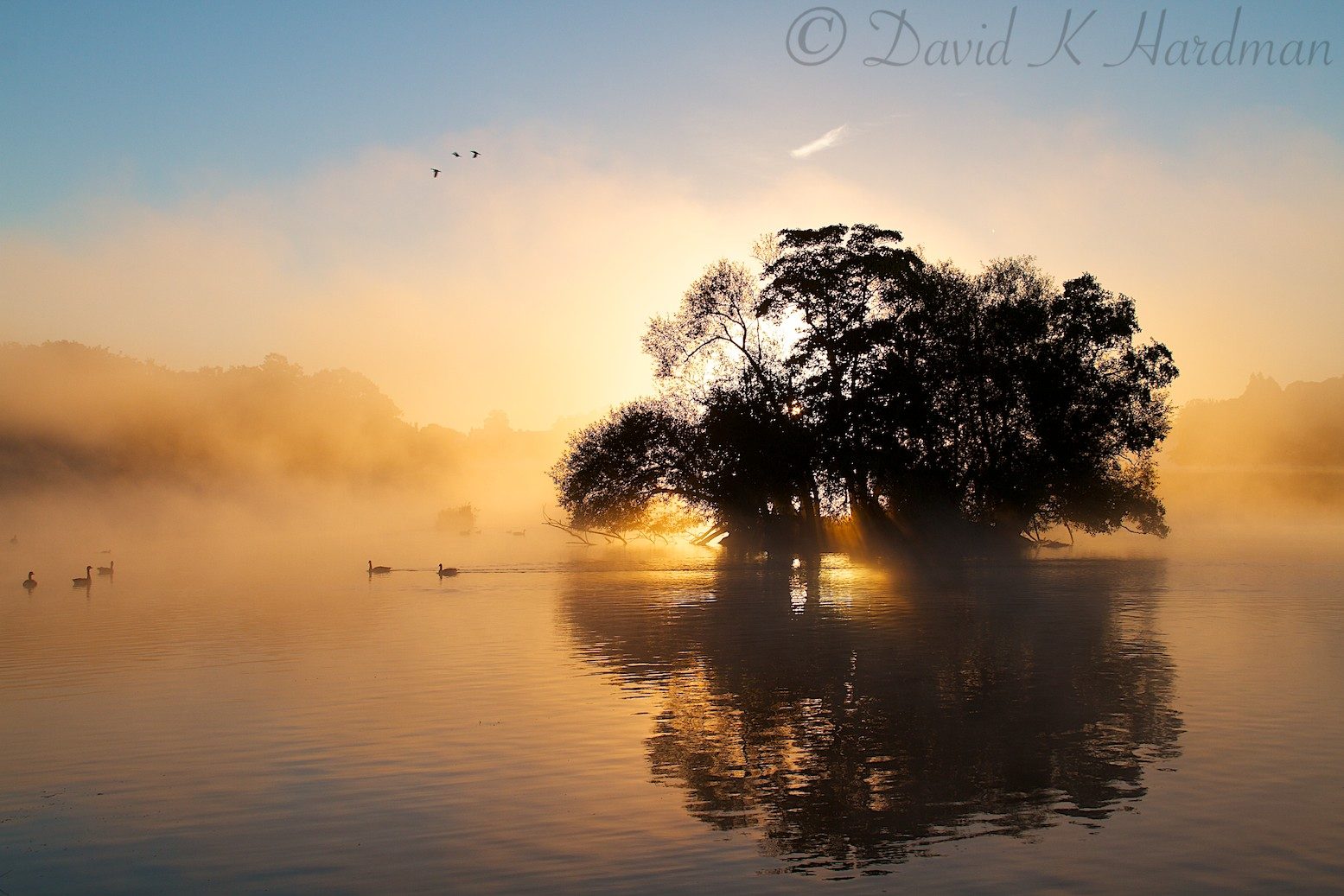
Shoot across the larger pond from the northern bank near the car park, where still water mirrors the sky and grazing deer often wander down to drink at dawn; a short walk from Pen Ponds car park gets you to the water's edge. Waterfowl cluster here too, giving foreground interest for wider landscape frames.
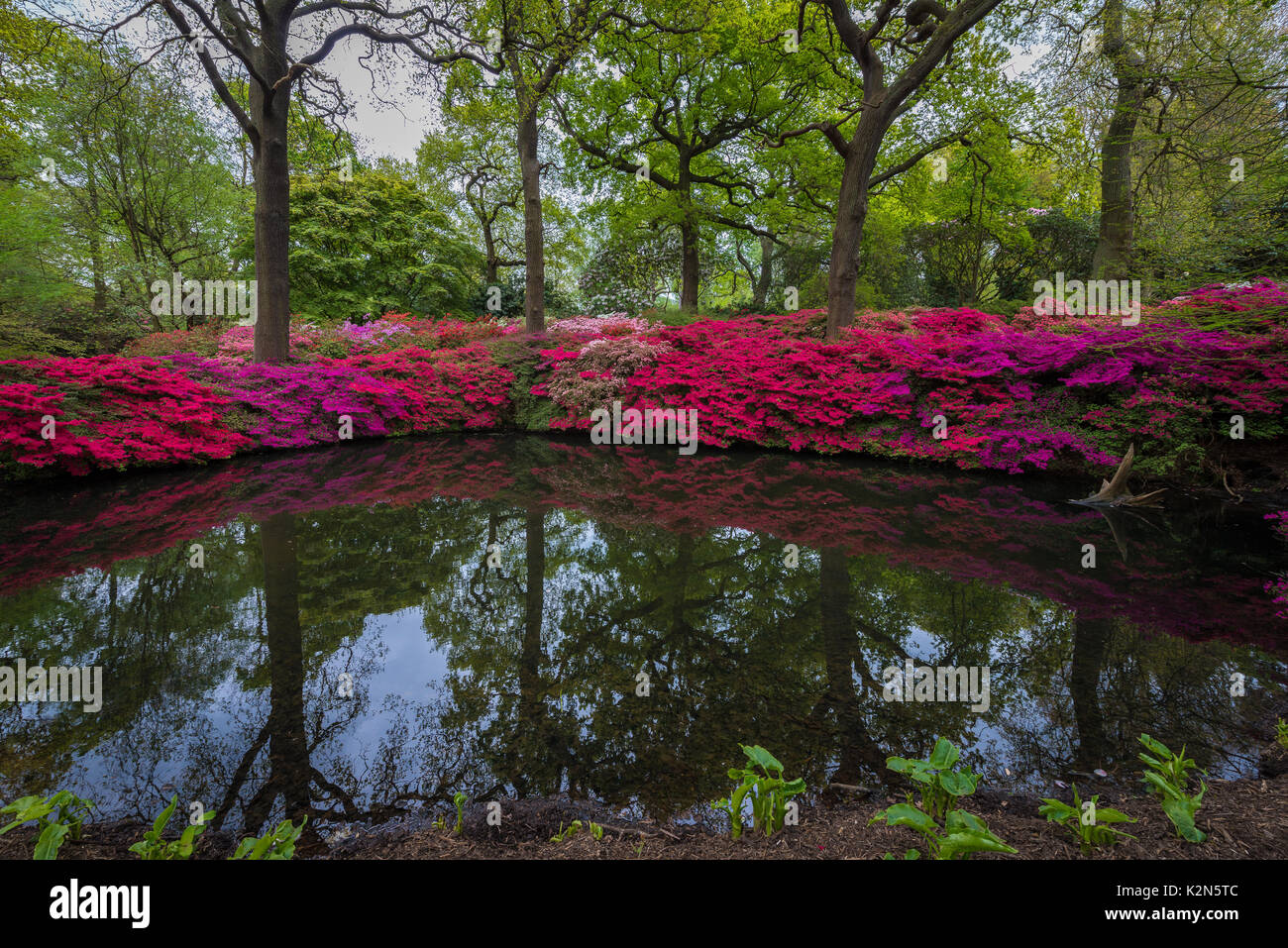
Follow the woodland boardwalks through this fenced Victorian garden for layered shots of azaleas and rhododendrons reflected in the ponds and streams, especially along the Bog Garden path. Spring bloom is the classic subject, but the enclosed woodland light works year-round for softer, shaded compositions.
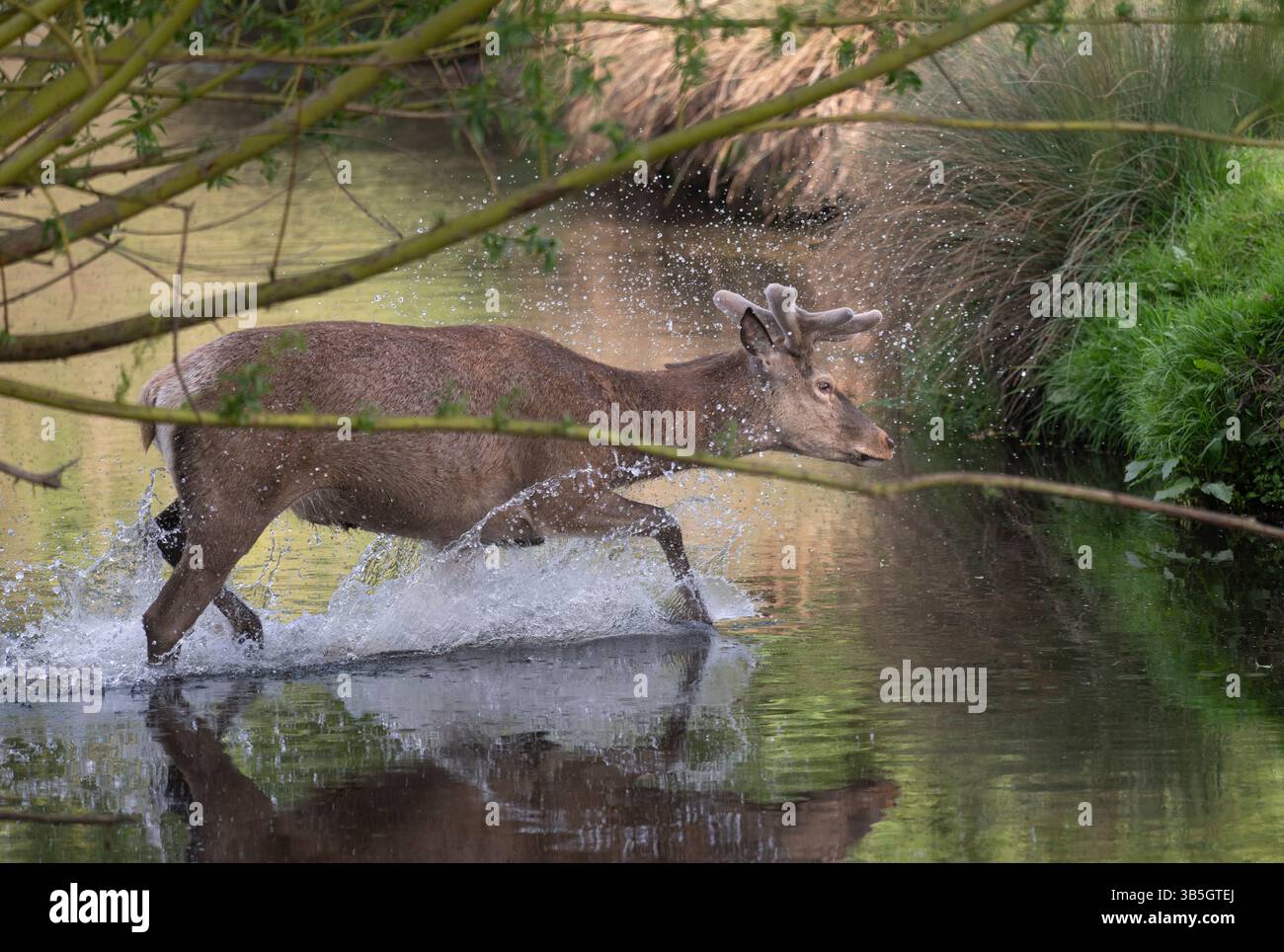
Position along the brook's grassy banks near the eastern boundary path, where deer frequently come down to drink in the early hours against a backdrop of open parkland. The brook trail is quieter than Pen Ponds, so a longer lens rewards patience here.
Richmond Park Tickets are free, so a family day here is really about pacing yourselves across 2,500 acres of deer, woodland and open grassland rather than queuing at a gate. Buggies and scooters cope well on the main routes, but toddlers on foot will tire long before the loop does.
The Tamsin Trail and the paths through Isabella Plantation are flat, wide and buggy-friendly, though some Isabella Plantation stretches turn muddy after rain, so a stroller with sturdy wheels or an all-terrain buggy handles it better than a compact umbrella model.
Deer roam freely and look tame but are wild, so keep children at least 50 metres away, never let them approach or feed a deer, and hold hands near the herds, especially during the autumn rut and spring birthing season.
Petersham Gate playground suits all ages with sand and water play plus nature-themed climbing features, while Kingston Gate playground is geared toward under-5s with timber play sculptures, making either a natural turnaround point for a shorter family loop.
Richmond Park is the largest of the London royal parks, so don't attempt the full 7-mile Tamsin Trail with young kids; instead pick one gate-to-gate segment, such as Petersham to Isabella Plantation, and treat the rest as a scenic Richmond Park tour for another visit.
Toilets and baby-changing are available at the main car parks and gate entrances, including Pembroke Lodge and Kingston Gate, so plan stops around these rather than relying on facilities deep inside the park.
If the weather turns, Pembroke Lodge's tea rooms offer shelter with views over the Thames Valley, making it a easier fallback than trying to push a stroller through wet, unpaved sections of the plantation.
Richmond Park Tickets visitors have on-site cafes and kiosks scattered across the park, plus a proper high street just outside Richmond Gate for a sit-down meal after the walk.
Georgian mansion cafe with Thames Valley views, known for cream teas, scones, and hot lunches. Gets busy on sunny weekends, so aim for a mid-morning or late-afternoon stop; good for a proper sit-down break rather than a quick grab.
Hot food, deli sandwiches, and an ice cream counter on the opposite side of the park. Roomy indoor and outdoor seating make it a practical spot to start or finish a longer loop, and it's usually calmer than Pembroke Lodge.
A simple outdoor stand by the car park serving bacon rolls, pastries, and coffee to walkers and cyclists passing the ponds. Card payment only, minimal seating, best for a fast refuel rather than a lingering meal.
Riverside pub near Richmond Bridge with a beer garden overlooking the Thames, suited to a relaxed pint and pub classics once you're back in town.
Spanish small plates in a bright, casual dining room, popular for weekend lunches after a Richmond Park Tickets tour ends near the town centre gates.
Real experiences from real travelers
We walked in from Richmond Gate just after six and had the bracken almost to ourselves, with mist sitting low over the grass. Two stags crossed the path maybe forty metres ahead and nobody said a word. Sorting Richmond Park Tickets in advance meant the driving and parking side was already handled.
Nearly 1,000 hectares is a number until you actually try to walk from Sheen Gate to Pembroke Lodge and back. The Isabella Plantation was past peak azalea but the stream and the shade were welcome in the heat. Good boots matter more than anything else here.
Coming from central London the change is abrupt, suddenly there is only wind in the oaks and parakeets shouting overhead. Some of the ancient oaks are genuinely enormous and fenced off for their own protection. The Richmond Park Tickets tickets process was simple, though I would have liked clearer signage at the gate.
King Henry's Mound has a small telescope pointed at St Paul's Cathedral ten miles away, and on a clear morning you really can pick out the dome. It is the strangest thing to see the city that small from inside a deer park. Our guide on the Richmond Park Tickets tour explained the protected sightline is written into law.
We came in autumn last year first and the roaring carried right across Pen Ponds, which was something I had never heard before. This spring visit was gentler, just skylarks and the ponds full of light. Keep well back from the stags, the wardens are serious about the fifty metre rule.
A short train from Waterloo and then a walk uphill, and you are in a Royal Park that feels rural rather than municipal. The Richmond London park tour we joined covered the Tudor hunting history without dragging. Cold and bright, and we saw more deer than people.
Late November means the paths near the ponds turn to soup, so we stuck to the gravel and the tarmac loop. Even so the light through the bare oaks in the afternoon was worth the cold hands. Booking Richmond Park Tickets tours ahead saved us fumbling at the gate.
The Tamsin Trail runs about eleven kilometres around the perimeter and we did it slowly on hire bikes, stopping at Pembroke Lodge for the view over the Thames valley. Hills are real but short. Plenty of parrots, plenty of deer, one very determined jackdaw.
Mid-winter morning, everything silver and crunching, and the herd bunched together near White Lodge. Fewer visitors than I expected for one of the London landmarks people always recommend. Layers, gloves, and a thermos.
August afternoon was harder work than we planned, the open grassland has almost no cover between the gates. The Isabella Plantation saved us with its shade and water. Go early or late rather than midday if you visit in summer.
Everything you need to know for your journey
No paid Richmond Park Tickets are required; entry is free and pedestrian gates are open 24 hours a day.
Pedestrian gates operate 00:00 to 23:59 every day of the week, though vehicle gates open at 07:00 in summer and 07:30 in winter and close at dusk.
The 07:00-10:00 morning window offers the best light and the most reliable deer activity before crowds and traffic build up, making it the preferred slot for a Richmond Park Tickets tour focused on wildlife.
No, there are no bag checks or security screening at any gate into the park, since it functions as an open public green space.
Dogs are welcome on leads throughout most of the park, including Isabella Plantation, though they are not permitted inside Pembroke Lodge and its gardens.
Yes, several car parks including Broomfield Hill have Blue Badge bays and step-free routes, and a motorised wheelchair can be borrowed for Isabella Plantation on weekdays.
Sturdy, weatherproof footwear and layered clothing are recommended, since paths can be muddy and the open grassland is exposed to wind.
Yes, picnicking is allowed across the open grassland, though barbecues and open fires are not permitted anywhere in the park.
The nearest mainline stations are Richmond and North Sheen to the north and Norbiton to the south, with local buses connecting to gates such as Petersham.
Yes, Richmond Park works well for families, particularly the enclosed, deer-free paths of Isabella Plantation, though children should stay well clear of the free-roaming deer herd.
Vehicle gates close at dusk, but pedestrian access remains available through 24-hour gates except during the deer cull periods in Nov-Dec and Feb-Mar.
Ham House, Richmond Hill, White Lodge and Kew Gardens all sit within a short walk or drive and combine well with a Richmond Park Tickets tour.
A 17th-century riverside mansion just outside the park's Ham Gate, known for its preserved Stuart-era interiors and formal gardens.
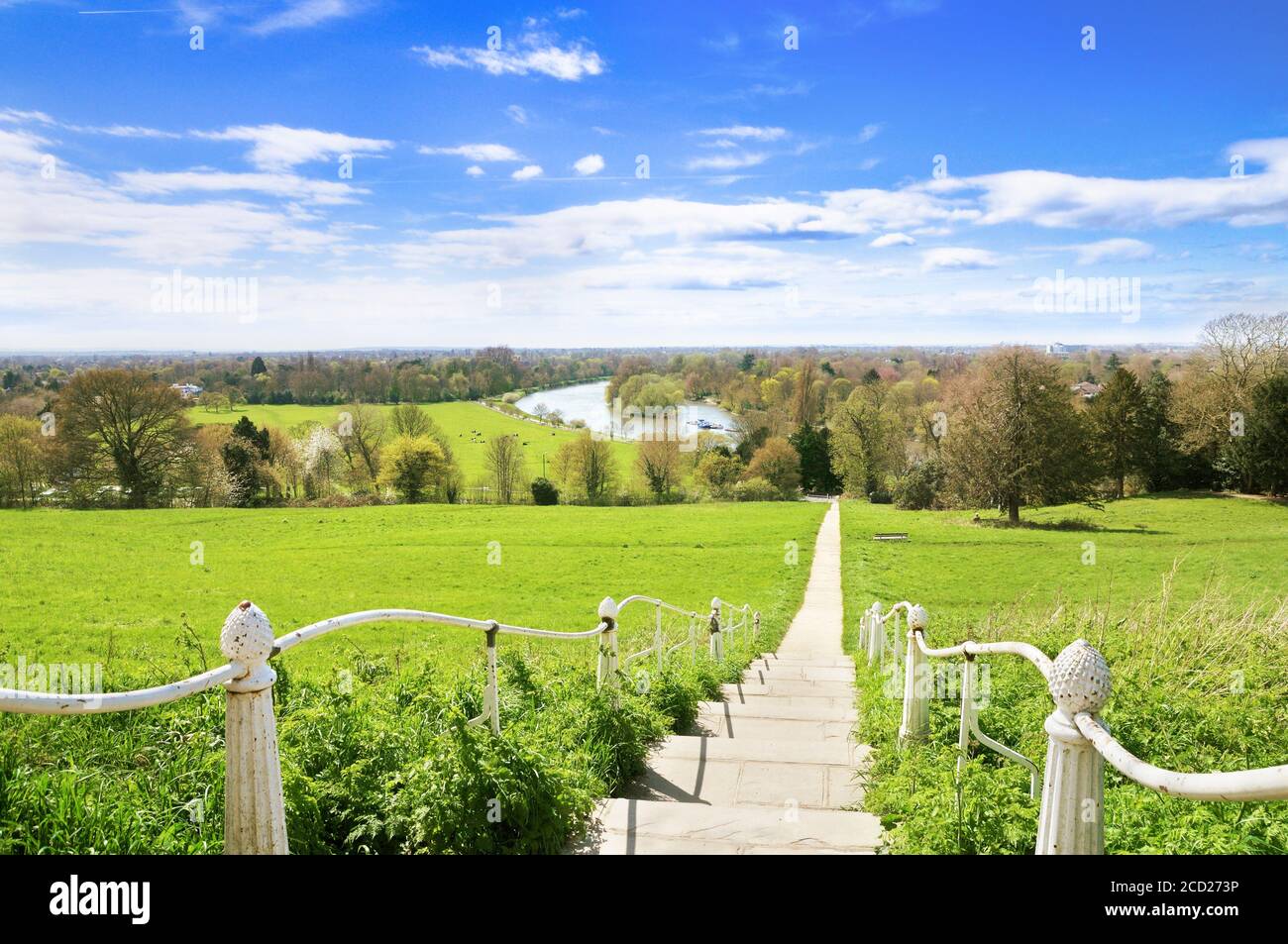
A historic riverside vantage point over the Thames, famous for the painted view that inspired J.M.W. Turner.
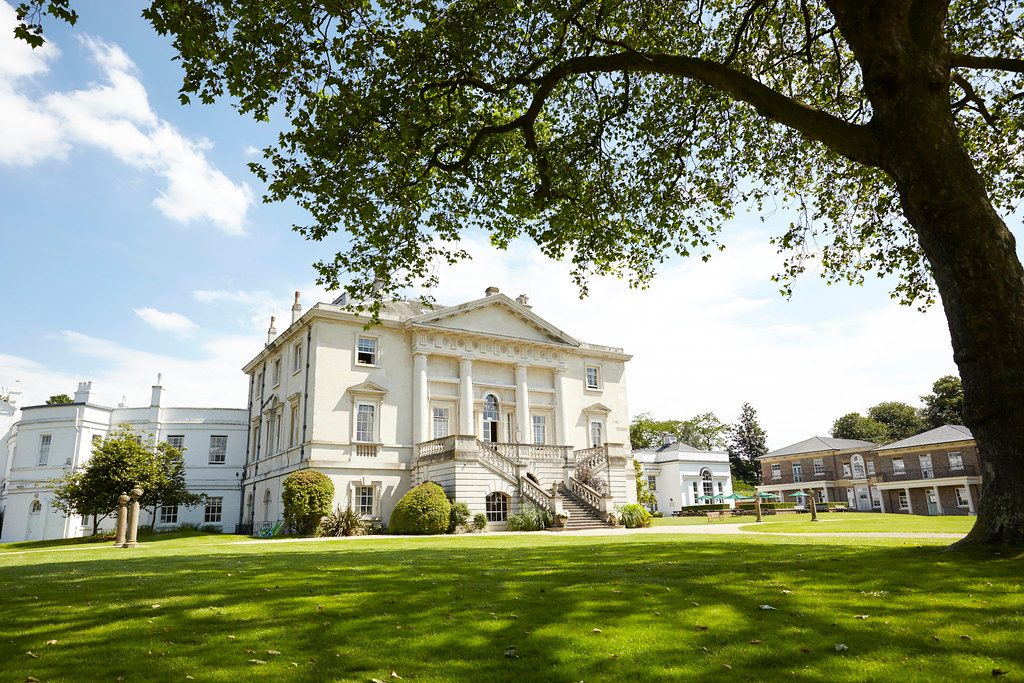
An 18th-century royal hunting lodge within the park's interior, now home to The Royal Ballet School.
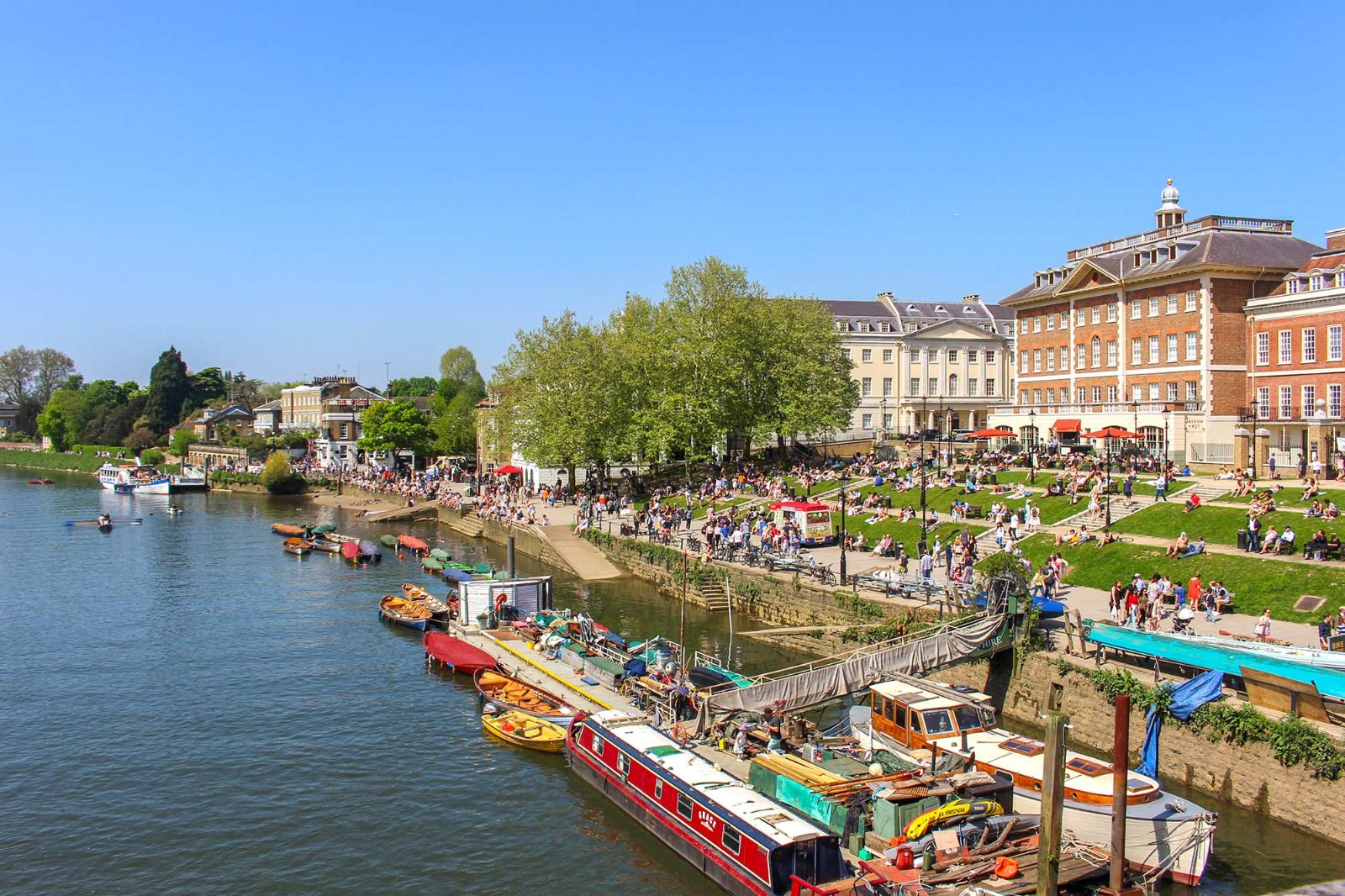
A pedestrian riverside promenade in Richmond town lined with cafés, boat hire and Georgian-style architecture.
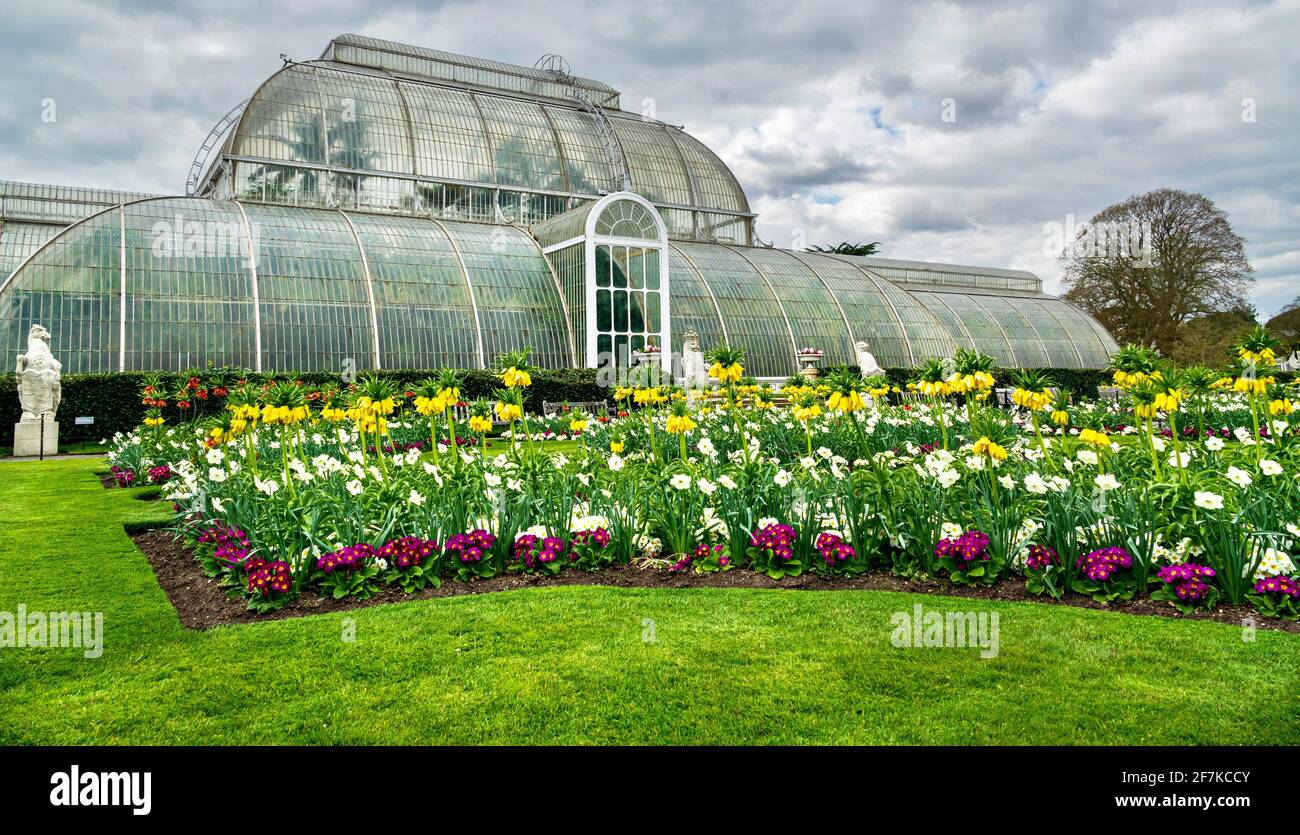
The Royal Botanic Gardens, a UNESCO World Heritage site with glasshouses and an extensive plant collection.
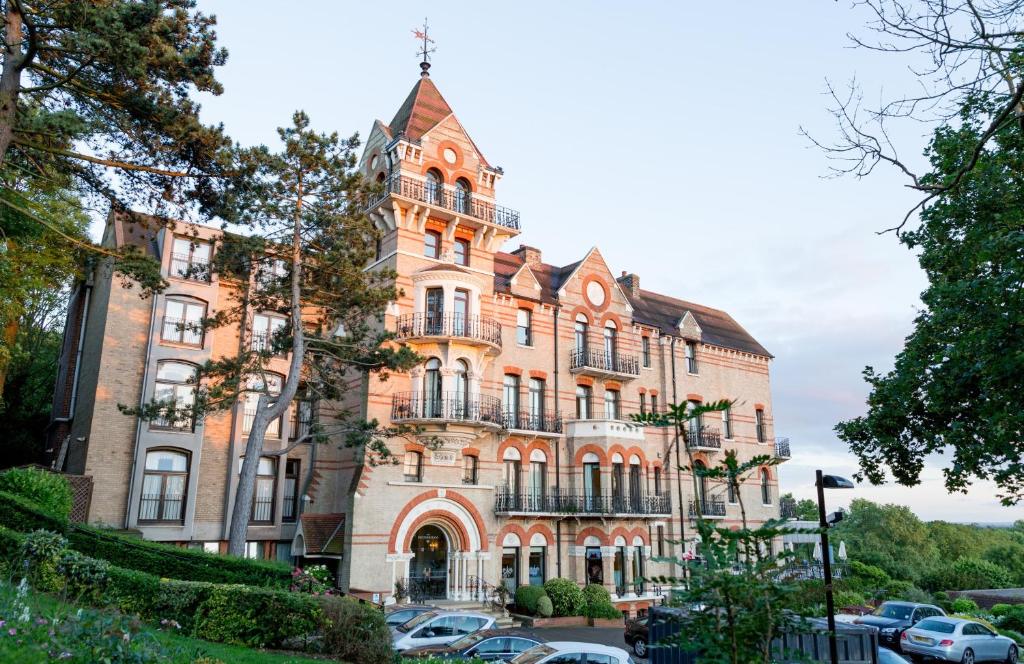
A Victorian-era hotel near Richmond Hill with Thames Valley views, close to the park's Petersham Gate.
A mix of mid-range chain hotels and independent guesthouses clustered around Richmond station.
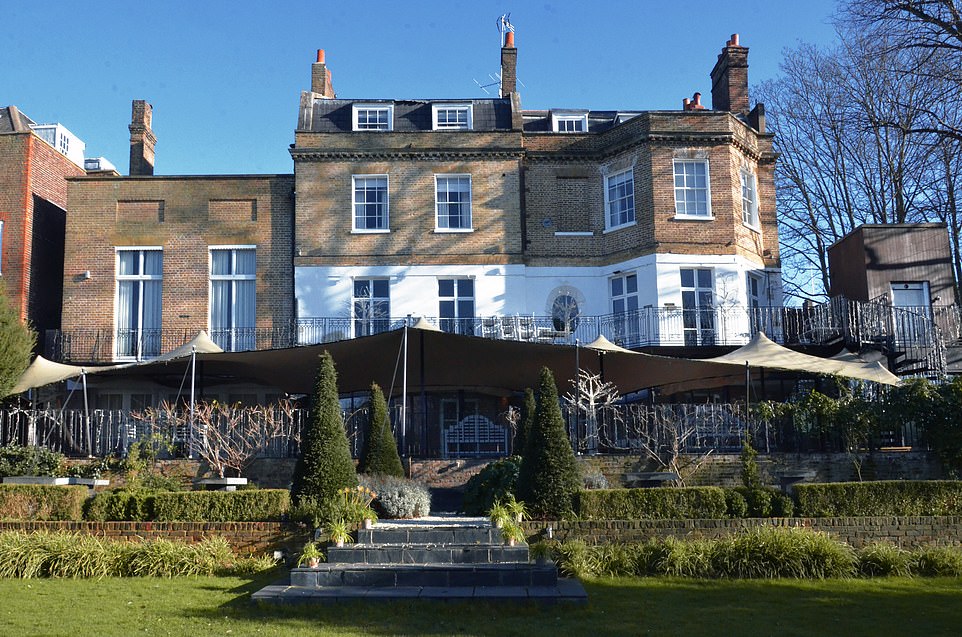
A riverside boutique hotel on Richmond's Thames path with a well-regarded restaurant terrace.
A wider choice of budget and chain hotels near Kingston station, a short drive from the park's south side.
Join thousands of happy travelers who have discovered this incredible experience
Book Your Experience Now